
The American Jewish Museum
Thought Provoking Exhibits
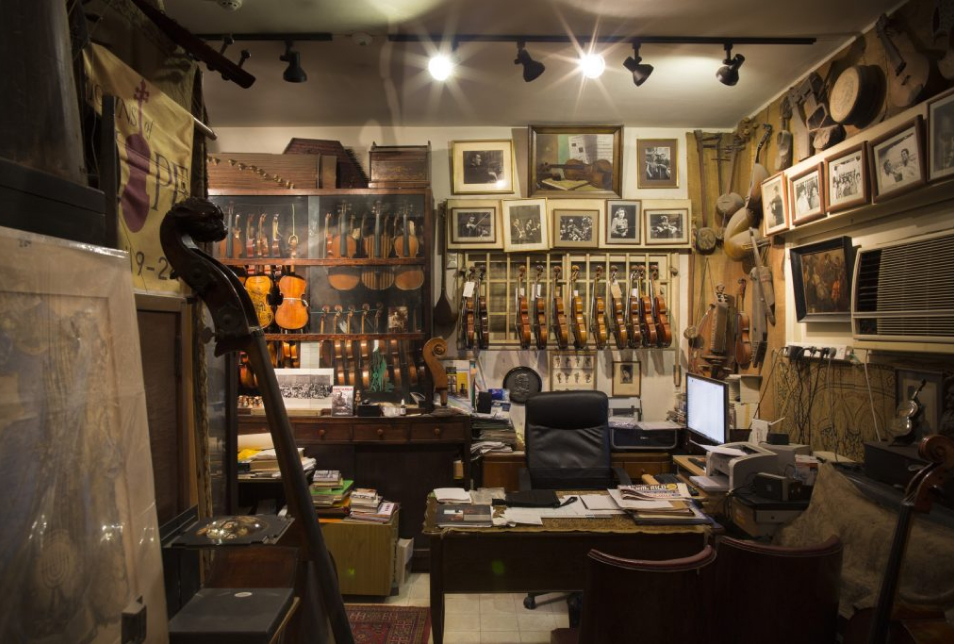
The American Jewish Museum, housed in the JCC in Squirrel Hill, explores contemporary Jewish art that facilitates dialogue about art, philosophy and culture to promote interfaith and intergenerational explorations.
ON VIEW at the American Jewish Museum
Allan Rosenfield: Fluid — Between Surface and Space
On view at the American Jewish Museum, JCC Squirrel Hill,
March 17 – May 31, 2026
Opening Reception: Thursday, March 26 | 6–8 PM
American Jewish Museum
JCC of Greater Pittsburgh
5738 Forbes Avenue, Pittsburgh, PA 15217
“Allan Rosenfield’s work asks us to consider what we carry, culturally, spiritually, personally, and how those layers shape who we are. These pieces feel both grounded and transcendent. They honor tradition while opening space for something entirely contemporary and deeply human.” – Melissa Hiller, Director of the American Jewish Museum.
The Jewish Community Center of Greater Pittsburgh’s American Jewish Museum presents Allan Rosenfield: Fluid — Between Surface and Space, on view March 17 through May 31, 2026. The exhibition brings together Rosenfield’s luminous, draped paintings that exist somewhere between painting and sculpture, inviting visitors into a space that feels both expansive and deeply personal.
Rosenfield creates dimensional works shaped like garments resonant of a tallit, robe, or kimono, each suspended and painted with remarkable attention to color, texture, and light. Though monumental in scale, the pieces feel intimate. They suggest the presence of a body without depicting one, holding the quiet imprint of ritual, memory, and cultural tradition.
Rather than hanging flat against the wall, these works rise into the gallery, transforming painted surface into physical form. As light shifts across their folds and edges, shadow becomes part of the composition, and each piece holds space in its own distinct way.
The title Fluid speaks to what happens between categories: between surface and space, between object and presence, between what we inherit and how we carry it forward. Shaped by a life of travel and close looking, Rosenfield gathers visual languages from the places and cultures he has encountered, allowing them to inform the forms and surfaces of his work.
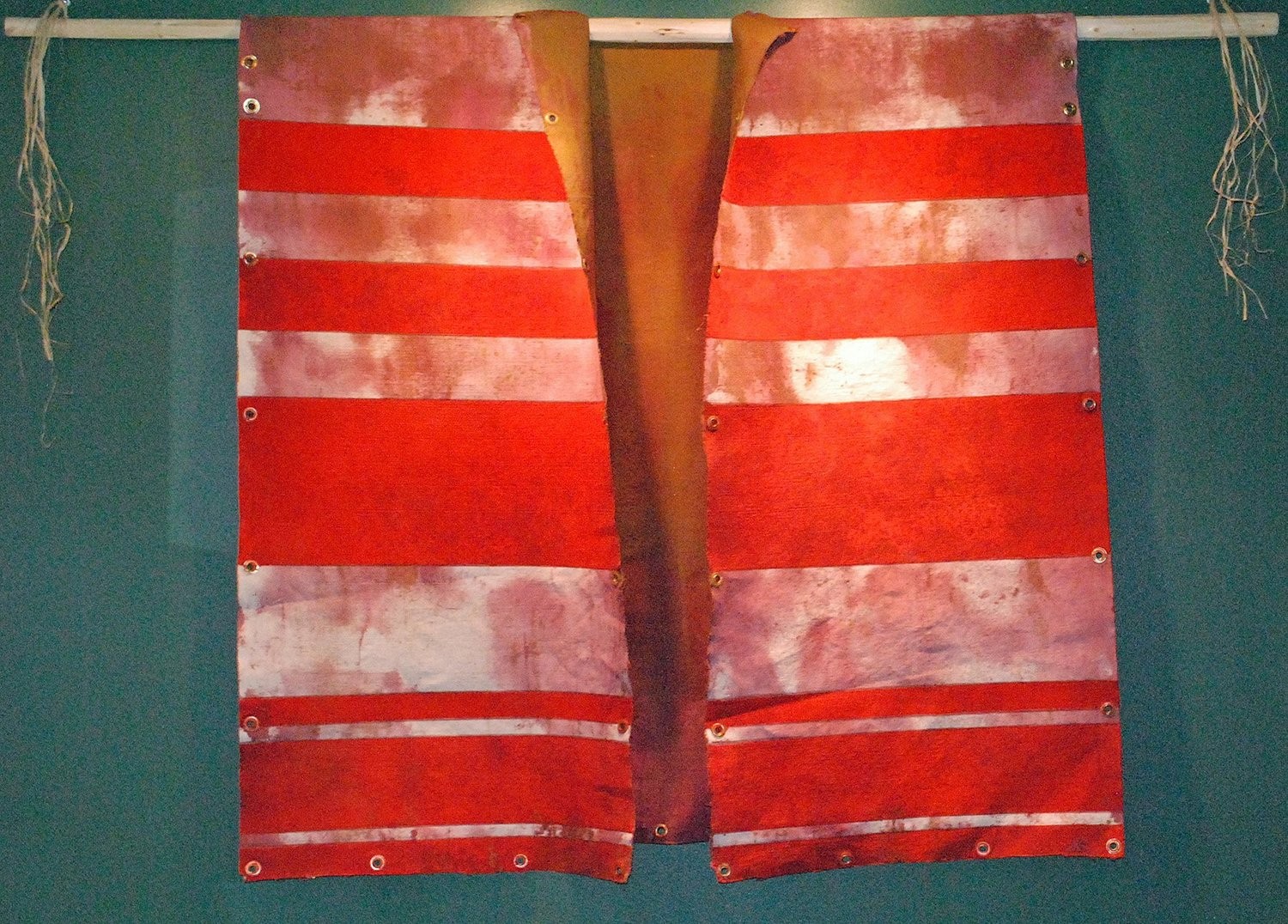
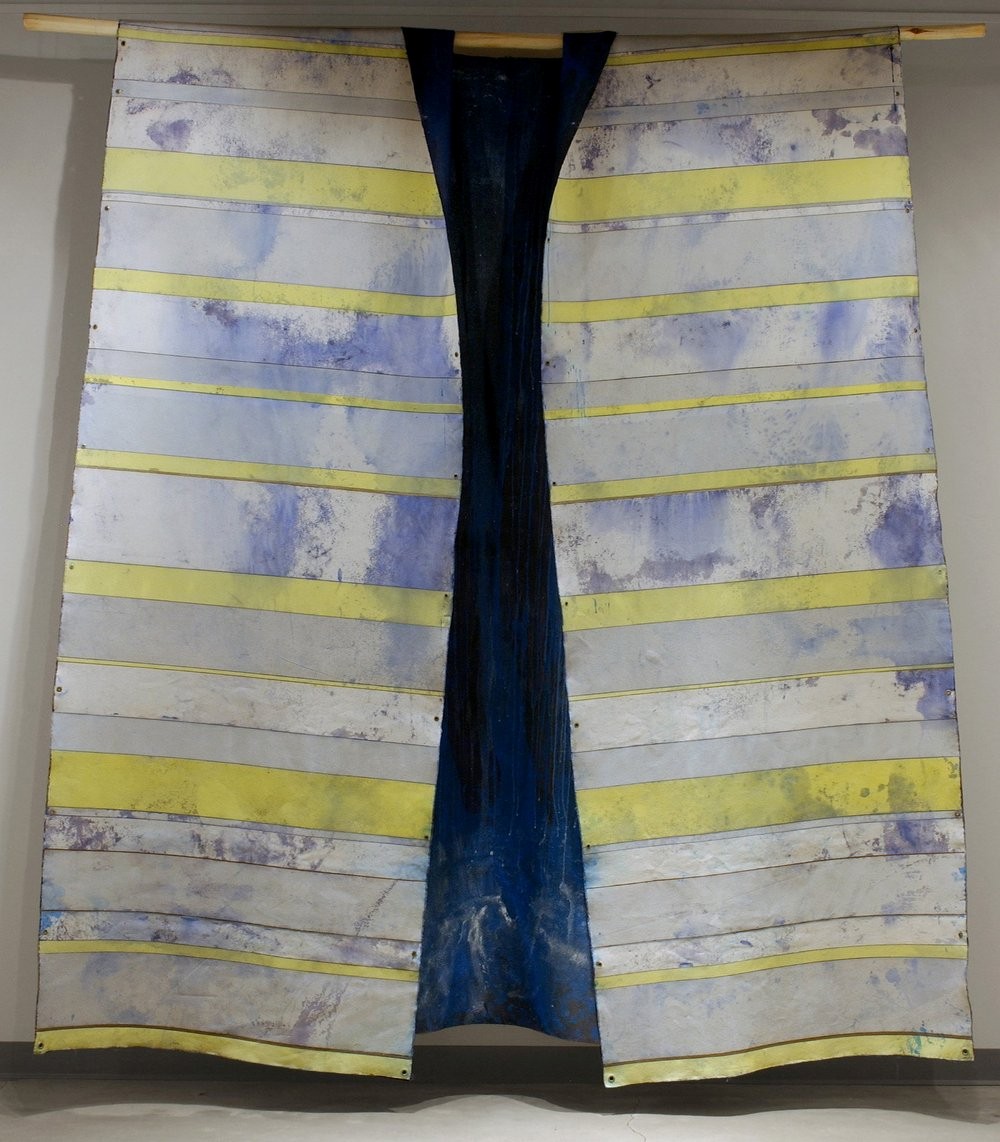
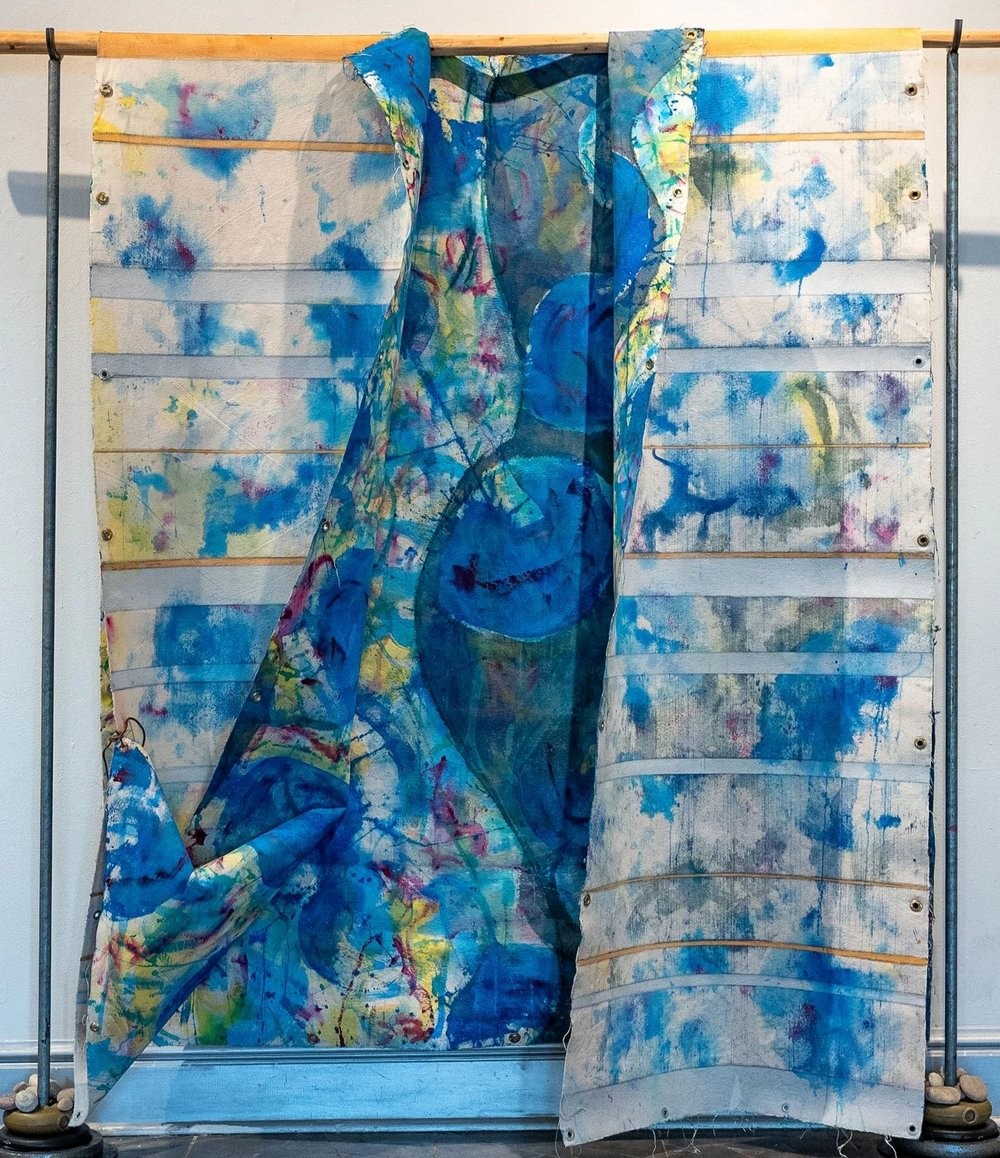
Exhibit Photo Gallery
Recent Exhibits
CAMERA AS PASSPORT: THE SHIP OF PHOTOGRAPHERS
Camera as Passport: The Ship of Photographers
August 20, 2025—January 30, 2026
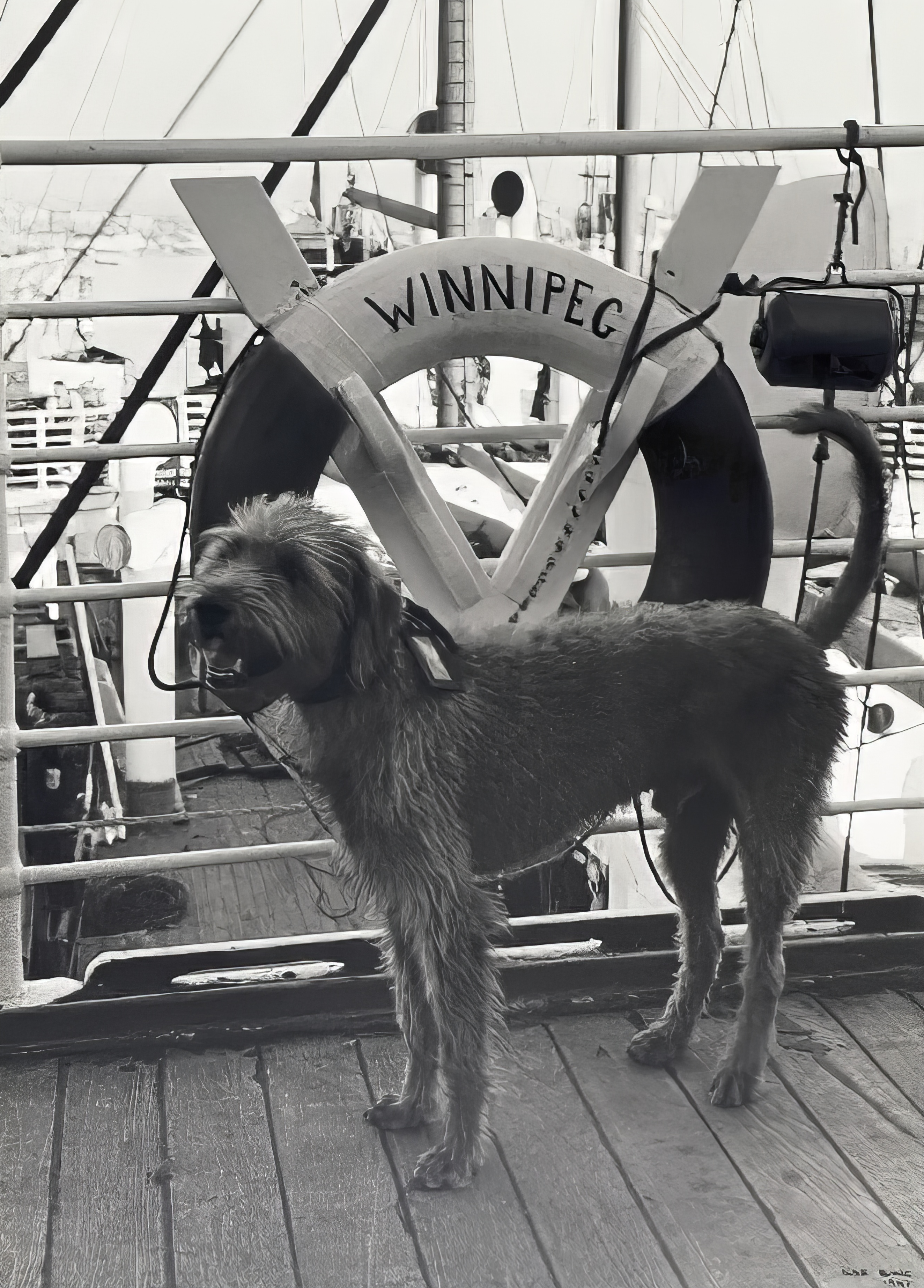
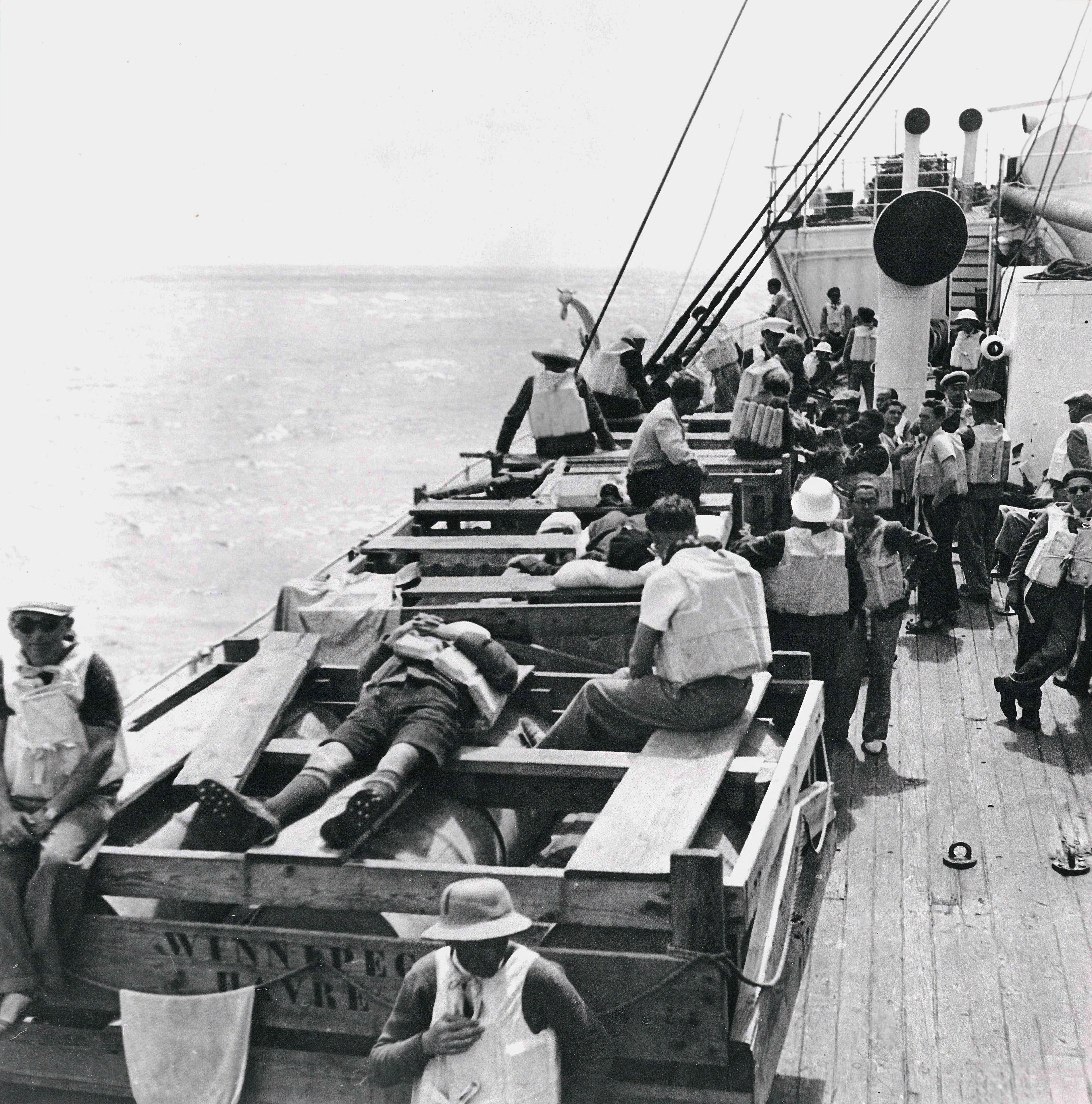
On May 6, 1941, hundreds of men, women, and children, nearly all of them refugees, crowded onto the dock in Marseille, eager to board an old freighter, the SS Winnipeg, bound for the French island of Martinique in the Caribbean. They were escaping a Europe under Nazi rule.
Since World War II began, Germany had conquered first eastern and then western Europe. France was divided, with the unoccupied southern section governed by Vichy collaborators. The pact between the Soviet Union and Nazi Germany still held. The United States was neutral. Only Great Britain was still fighting Nazi Germany.
Eight photographers with precious visas to enter the United States also boarded the SS Winnipeg. Little did they know that this would be the ship’s last trip carrying refugees to safety. Twenty days after departing, a Dutch ship intercepted the freighter off the coast of Trinidad and interrupted its voyage.
The eight photographers took varied paths to a berth on the Winnipeg, but all received crucial help to leave Nazi-dominated Europe from an American, Varian Fry, who had arrived in France on a mission of rescue representing the Emergency Rescue Committee. Fry possessed a small sum of money and connections and a dogged persistence. His goal: to help intellectuals and
creative women and men endangered by the Nazis escape from Europe. Fry
included photographers in his mandate.
Who were these photographers? Five were German Jews: Ilse Bing, Josef Breitenbach, Yolla Niclas, Fred Stein, and Monie Tannen. One, Charles Leirens, came from Belgium and was not Jewish. One was a Russian-born French Jew, Boris Lipnitzki, and one a Hungarian Jew, Ylla, the professional name of Camilla Koffler. Although they pursued very different types of photography, they each benefited from the prodigious growth in opportunities to earn a livelihood as a photographer. As they discovered each other on “the ship of photographers” they realized that their camera was their passport.
—Deborah Dash Moore and Louis Kaplan
Presented at the JCC’s American Jewish Museum in partnership with:
- University of Pittsburgh Jewish Studies Program
- University of Pittsburgh Film and Media Studies
- University of Pittsburgh European Studies Center
- University of Pittsburgh Horror Studies
- Carnegie Mellon University Jewish Studies
- The Holocaust Center of Pittsburgh
- University of Michigan
Curated by
- Deborah Dash Moore, Jonathan Freedman
Distinguished University Professor of History &
Judaic Studies, University of Michigan - Louis Kaplan, Professor of History and Theory
of Photography and New Media, University of
Toronto
FINDING FORM
Finding Form: Aaronel deRoy Gruber
Photographs and Sculptures, 1980s
Through March 30, 2025
Finding Form
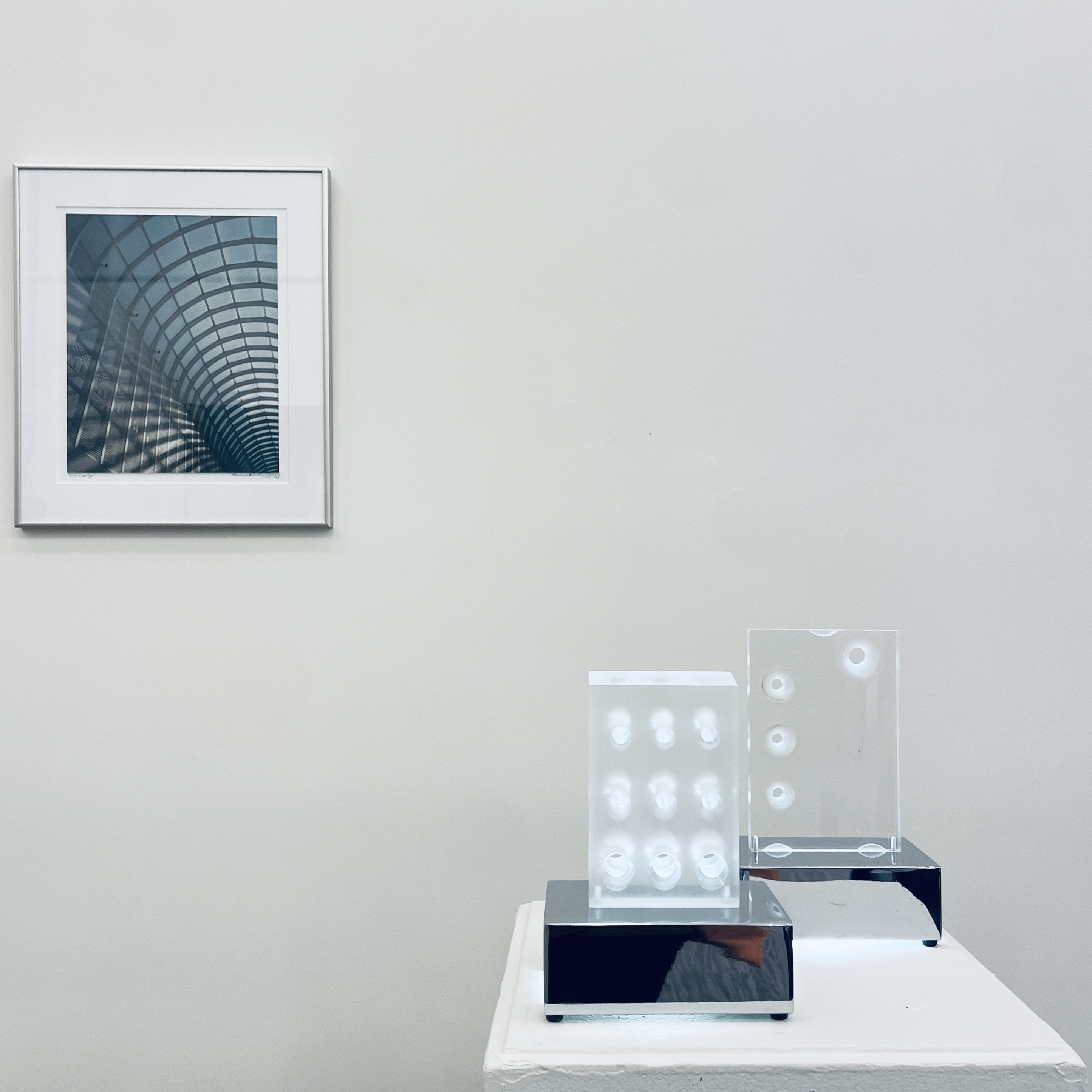
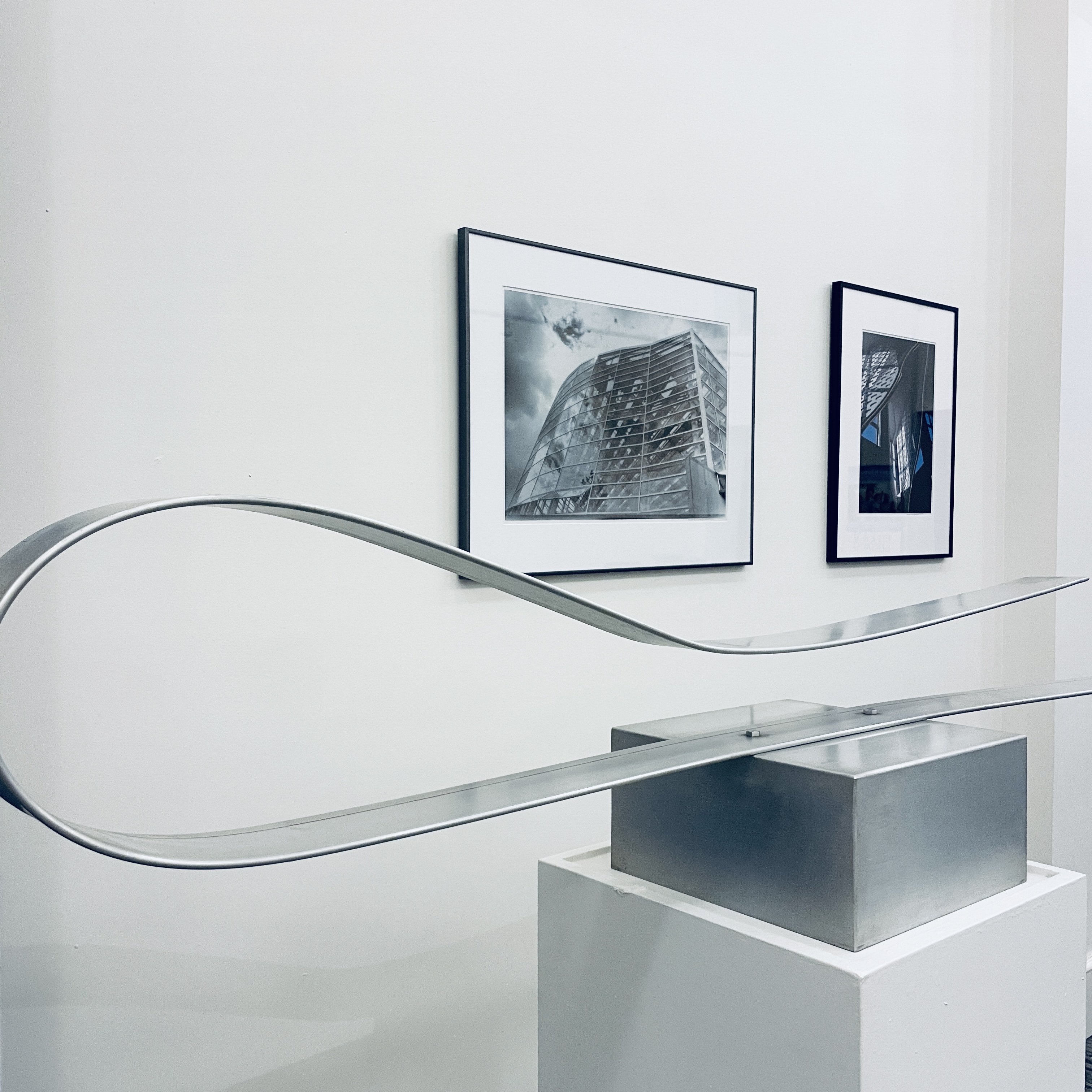
Finding Form explores how Aaronel deRoy Gruber’s decades-long sculpture practice since the 1960s influenced her perspective of the built environment as one rich with compositions, resulting in her approach to capturing abstract aspects in the photographic lens. Likewise, how architectural structures and technical expressions observed throughout her lifetime living in metropolitan Pittsburgh and experiencing international cities may have impacted her approach to dimensional forms executed in industrial materials including acrylic and metal.
Through a range of select photographs and kinetic sculptures created in the later part of the artist’s career, we invite you to consider deRoy Gruber’s handling of geometry in her work rendered both in the studio and out in the world.
Brittany Riley, Executive Director,
The Irving and Aaronel deRoy Gruber Foundation
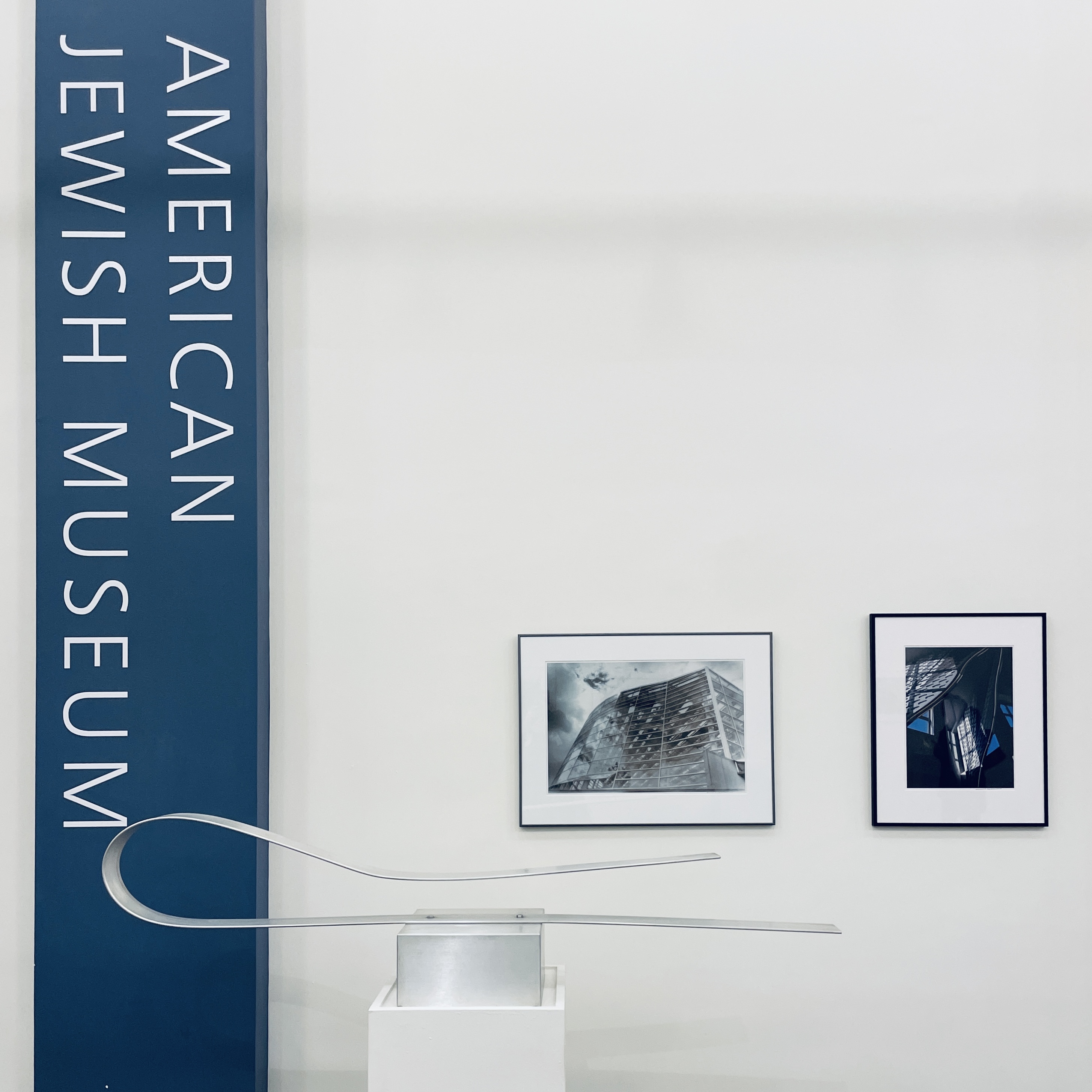
All works on exhibit are by Aaronel deRoy Gruber and are from the collection of the Irving and Aaronel deRoy Gruber Foundation, Pittsburgh.
deRoy Gruber’s Artistic Legacy
The American Jewish Museum is delighted to collaborate with The Irving and Aaronel deRoy Gruber Foundation to present this selection of work, celebrating Aaronel deRoy Gruber’s enduring artistic legacy and sharing it with new audiences. Finding Form not only highlights her contributions to the art world but also explores how her creative journey reflects broader themes of human experience and connection.
Like many students of Samuel Rosenberg—Pittsburgh’s legendary and beloved art teacher who taught for 39 years at both Carnegie Tech and the JCC— Aaronel deRoy Gruber was deeply inspired by her teacher’s emphasis on observation, expression, and the joy of making. Her drive as a creator was palpable and ever-present throughout her life, forming the foundation of a remarkable career that spanned decades and encompassed multiple artistic disciplines.
A prolific and influential artist, deRoy Gruber is best known as a painter and sculptor, though her creative evolution was marked by a fearless embrace of new forms and mediums. As the exhibition’s title suggests, she absorbed life with an acute awareness, allowing her observations and experiences to guide her work. Her artistic process was defined by bold experimentation and a commitment to exploring the possibilities of materiality, form, and geometry. deRoy Gruber eschewed narrative, cultural references, or symbolism, instead focusing on the physicality of her materials and the spatial relationships she could create.
While she was undoubtedly lured by the forms and shapes of the built world, deRoy Gruber’s work transcends its architectural inspirations. Her art invites reflection about abstraction and examining the dynamic interplay between structure and space. It also invites viewers to contemplate the complexities of humanity navigating the intricacies and tensions of constructed environments—both physical and metaphorical. These themes, while not inherently Jewish in concept or explicitly addressed in her work, align with reflections central to Judaism. Her art invites viewers to consider the relationship between human experience and the spaces we inhabit, the ways we shape and are shaped by the communities we build, and the meaning of living in connection with others.
Through this exhibition, the American Jewish Museum celebrates deRoy Gruber’s artistic legacy and sparks deeper conversations about the intersections of art, identity, and community. Her legacy as a fearless innovator and observer of the world resonates far beyond the art world, reminding us of the power of creativity to inspire, connect, and challenge us to see the world—and ourselves—anew.
Melissa Hiller, American Jewish Museum Director,
and JCC Community Engagement & Development Office
Artist’s Biography
Born and raised in Pittsburgh and destined to interface engineered mechanics with visual art experiences, modernist artist Aaronel deRoy Gruber (1918-2011) studied at the Carnegie Institute of Technology (now Carnegie Mellon University) until 1940, pursuing her strong artistic inclinations first through abstract expressionist paintings and collage into the 1950s. Following this formative period, deRoy Gruber’s compositions expanded to embody the bold sculptural volume and materiality to which she’d dedicate her creative journey.
Her acrylic, Plexiglas, aluminum, and solid steel sculptures—a number of them kinetic—were in many ways the centerpiece of her practice. Approaching photography by the 1980s, first alongside her sculptural work and then almost exclusively, deRoy Gruber’s expressions through the camera as her cherished tool brought her path full circle, back to the flat surface but always conveying movement, pattern, and dimension.
During her lifetime, deRoy Gruber was included in the 1968 landmark exhibition in the history of modern plastic arts: Made of Plastic at the Flint Institute of Arts, and she exhibited various bodies of work internationally and across the U.S. including in Spain, Italy, Japan, Canada and New York. In esteemed private collections today, deRoy Gruber’s work has been included in recent exhibitions Tracing an Outline Around a Man’s Shadow, the Tomayko Foundation, Pittsburgh (2024); A Woman’s Place: How Women Shaped Pittsburgh, Senator John Heinz History Center, Pittsburgh (2024); Think Pinker curated by Beth Rudin deWoody, GAVLAK, Los Angeles (2023); Modernism Week, Palm Springs California (2023 and 2022); Plastic Heart: Surface All the Way Through, curated by the Synthetic Collective at Canadian Cultural Centre, Paris (2022) and Art Museum at the University of Toronto (2021); and Moving Vision: Op and Kinetic Art of the Sixties and Seventies at the Oklahoma City Museum of Art (2021). deRoy Gruber’s work is included in the permanent collection of the Carnegie Museum of Art, Pittsburgh, the Westmoreland Museum of American Art, Greensburg and the Kawamura Memorial DIC Museum of Art, Japan amongst others.
To learn more about the deRoy family, visit https://rauhjewisharchives.org/entry/deroy-family/
The Irving and Aaronel deRoy Gruber Foundation
Aaronel deRoy Gruber’s key participation in the Abstract Group founded in 1944 in Pittsburgh as well as with a range of arts organizations and networks during her lifetime, carved the path for her and husband Irving Gruber (1917-2013) establishment of a namesake Foundation to continue supporting visual arts of the region. The Irving and Aaronel deRoy Gruber Foundation was established to steward the artwork and creative legacy of Aaronel deRoy Gruber (1918-2011) and to engage Pittsburgh-based and regional artists and initiatives connected to sculpture, photography, printmaking and painting. The Foundation highlights the imprint of a prominent female artist of the region and of her time, while continuing her commitment through its support of contemporary art practice and exhibition.
The Irving and Aaronel deRoy Gruber Foundation’s headquarters and gallery opened at its current location in Pittsburgh in 2020 to represent the organization’s mission through exhibitions, programming and interactions with audiences and art world professionals locally, nationally and internationally. Following an inaugural exhibition including a range of works exploring Aaronel’s 60-year career, rotating installations and unique projects continue to be shared with the public and art community.
www.aaronel.com
@aaronelderoygruber
[email protected]
THE ART OF FRIENDSHIP
The Art of Friendship
by Judy Robinson and Kara Snyder
“I feel like I have always known Judy Robinson. Our lives were intertwined even before we met. Both devoted to the arts, we have collaborated on numerous ideas and projects over the years. The energy of Judy’s presence in my life is affirming, lively and comforting.” —Kara Snyder
“My mother used to say that ‘one heart knows another,’ and that is true. When I met Kara Snyder, I was drawn to her tender, pure, generous soul. I loved her instantly, and I loved her work. I felt we had a shared artistic sense. I was
delighted that she agreed and returned the love.” —Judy Robinson
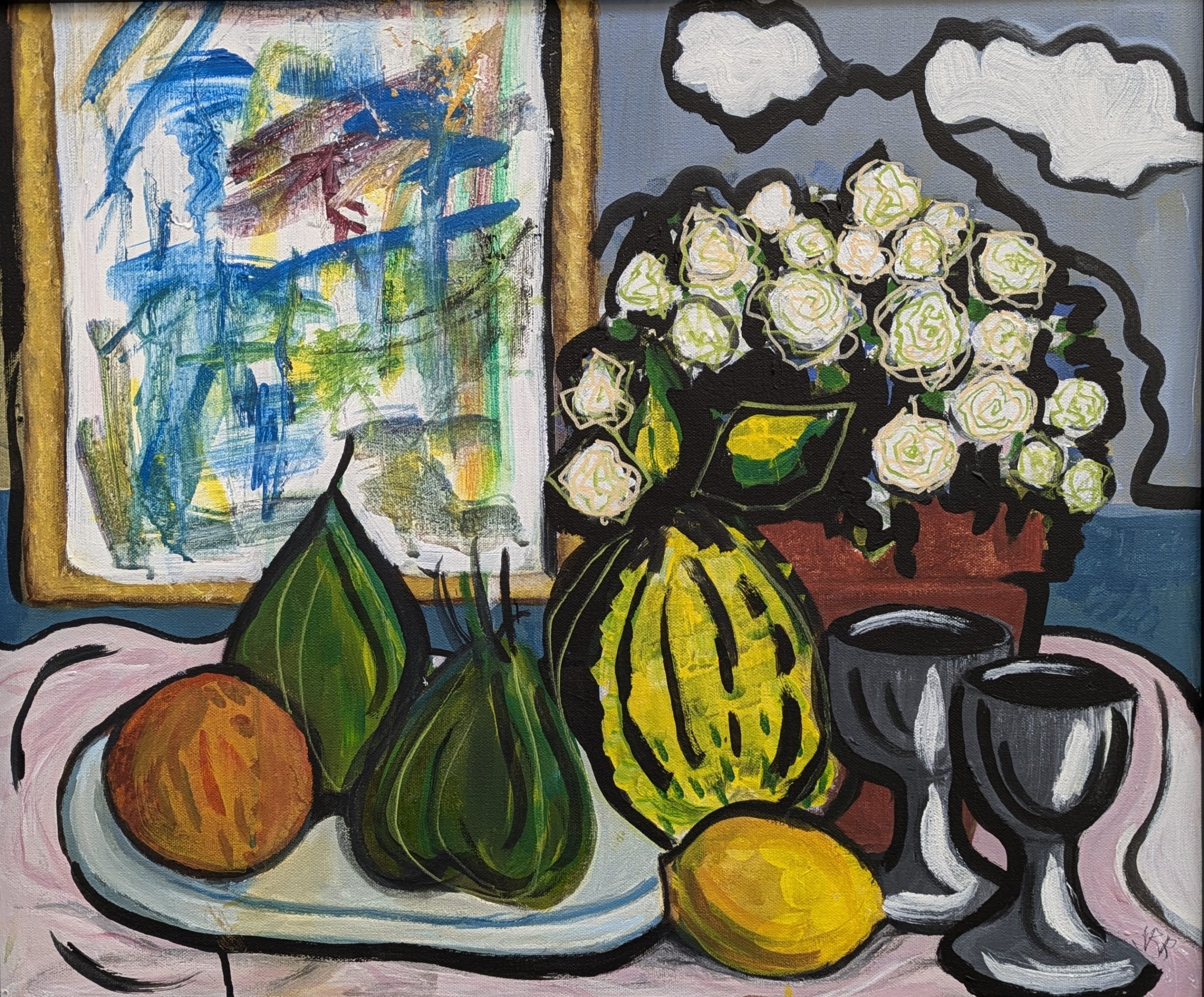
The Art of Friendship features a collection of 21 paintings by artists Judy
Robinson and Kara Snyder. While each artist’s work is unique and distinct in
style, the exhibition explores ways their paintings harmonize, drawing upon
the synergies between their artistic expressions.
Their enduring friendship and commitment to collaboration and their
exchange of ideas capture the essence of the havruta tradition—a traditional
Jewish method of collaborative learning rooted in the Aramaic word for
“friend.” This tradition emphasizes growth and exploration through the process
of engaging, debating, and wrestling over ideas together, much like Robinson
and Snyder’s creative journey.
VIOLINS OF HOPE
Violins and Hope: From the Holocaust to Symphony Hall
by Daniel Levin
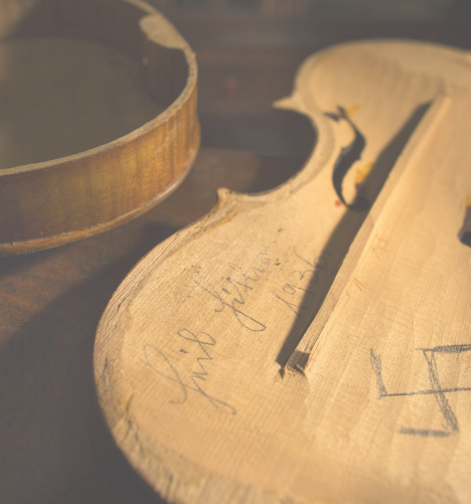
The JCC’s American Jewish Museum exhibition, Violins of Hope – From the Holocaust to Symphony Hall, includes 43 photographs by Daniel Levin chronicling the work of Ammon Weinstein, the master violin maker and restorer responsible for the discovery and repair of the violins making up Violins of Hope and for the vision of bringing these instruments’ remarkable stories to the public’s attention. Notably, Levin, who visited Weinstein’s Tel Aviv based workshop to photograph the restorations in progress, is the only photographer to capture his masterful techniques to save them from being erased from history. The extraordinary stories behind the violins are included in audio-form by scanning QR codes that accompany each image.
Location: JCC Squirrel Hill Palm Court · October 15-December 8
Artist Talk with Book Signing
Artist Reception and Talk with Book Signing
Music by the Edgewood Symphony Orchestra
Sunday, October 22, 2024 • 1-3 pm • JCC Levinson Hall
Free and open to the public


EACH AND EVERY: PHOTOGRAPHY EXHIBIT
Each and Every: Photography Exhibit
Fine, Perlow Weis Gallery JCC of Greater Pittsburgh • 5738 Forbes Avenue
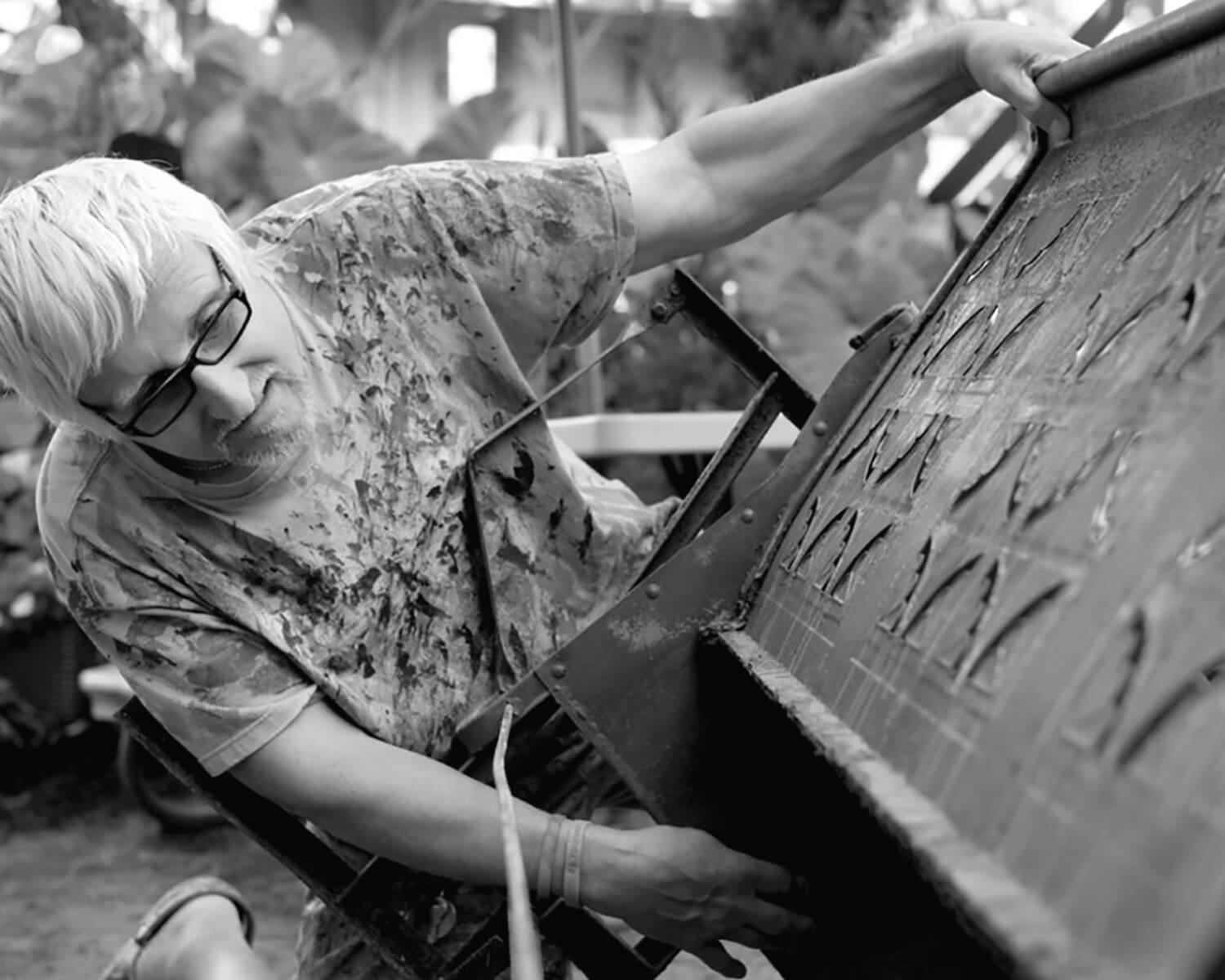
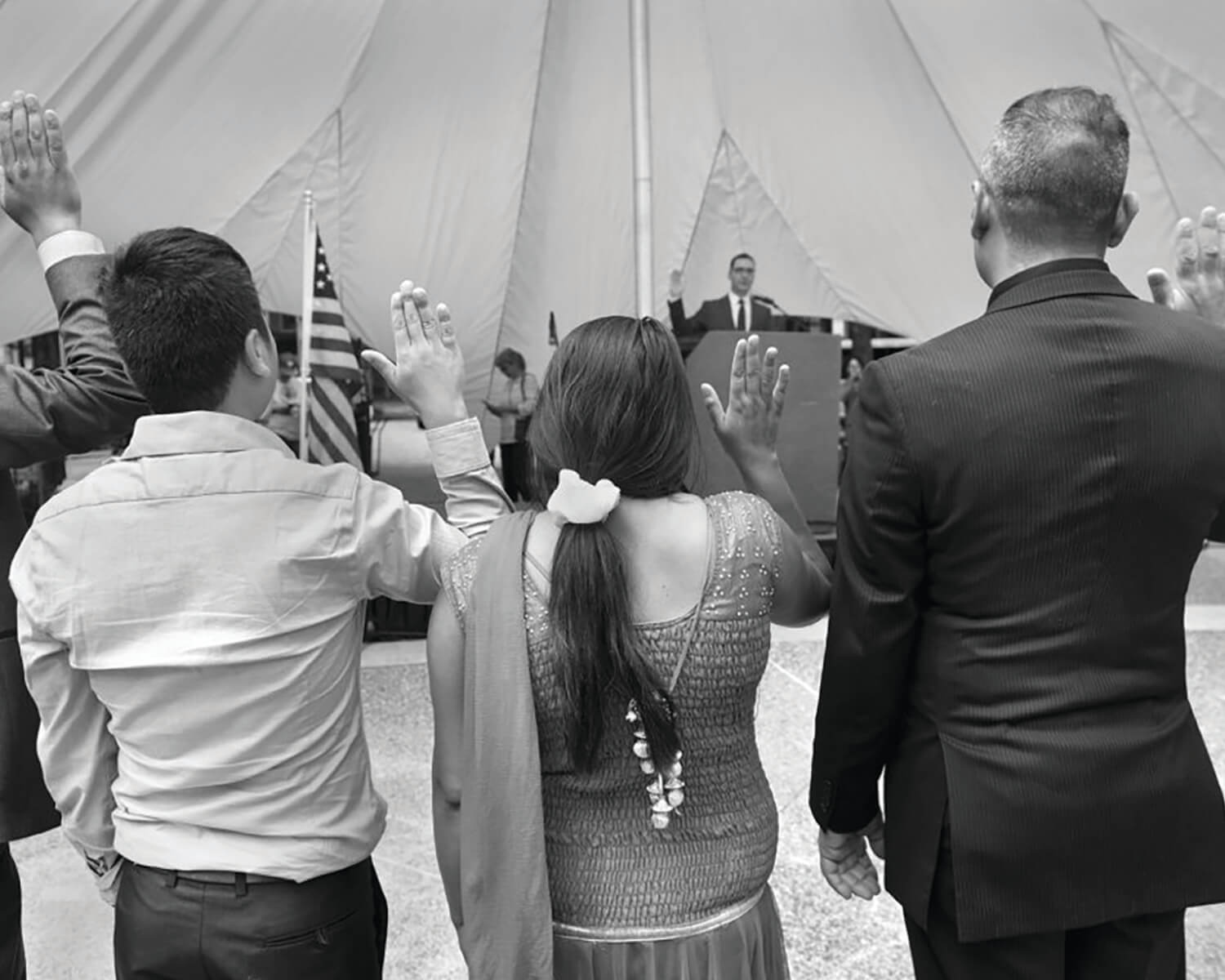
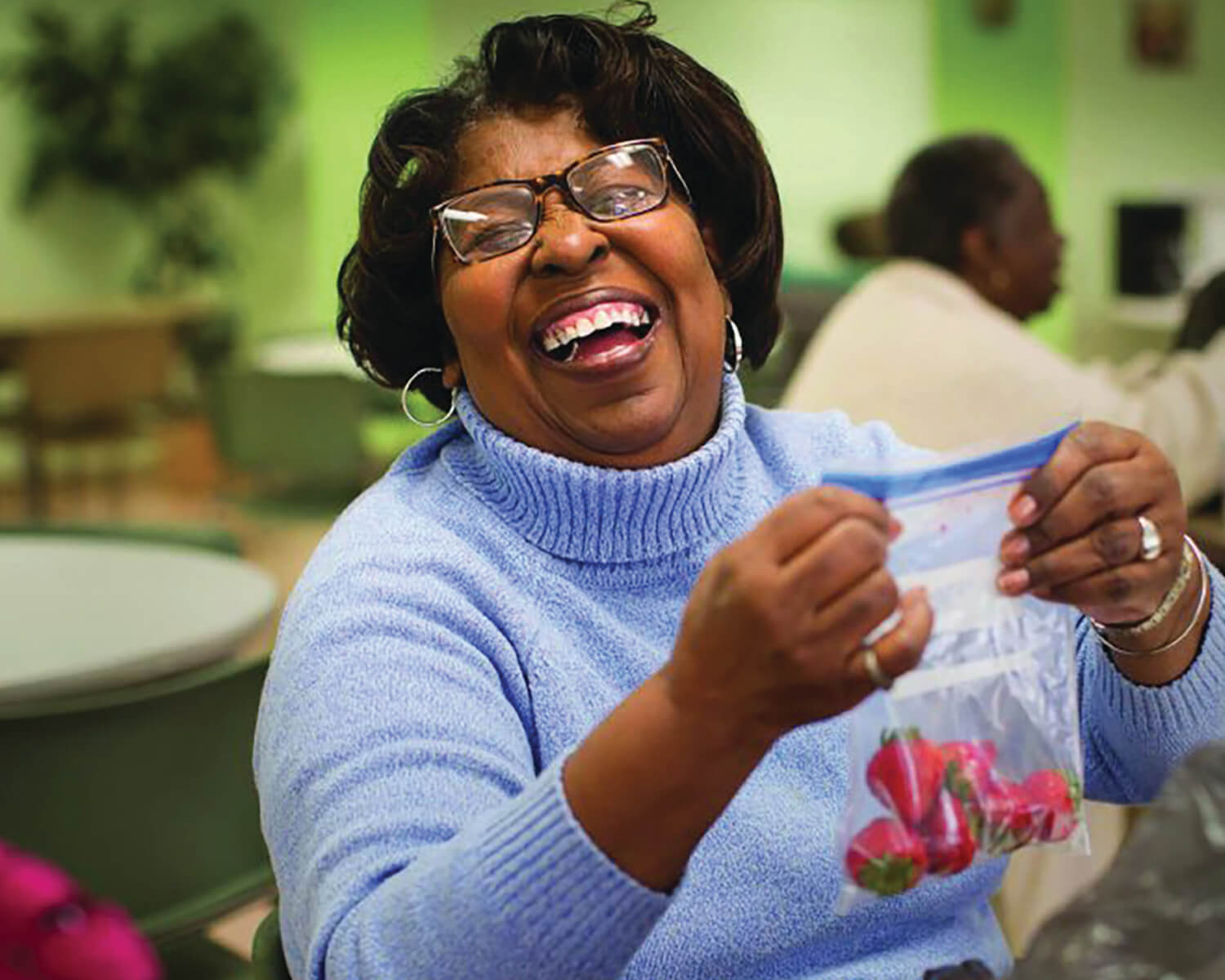
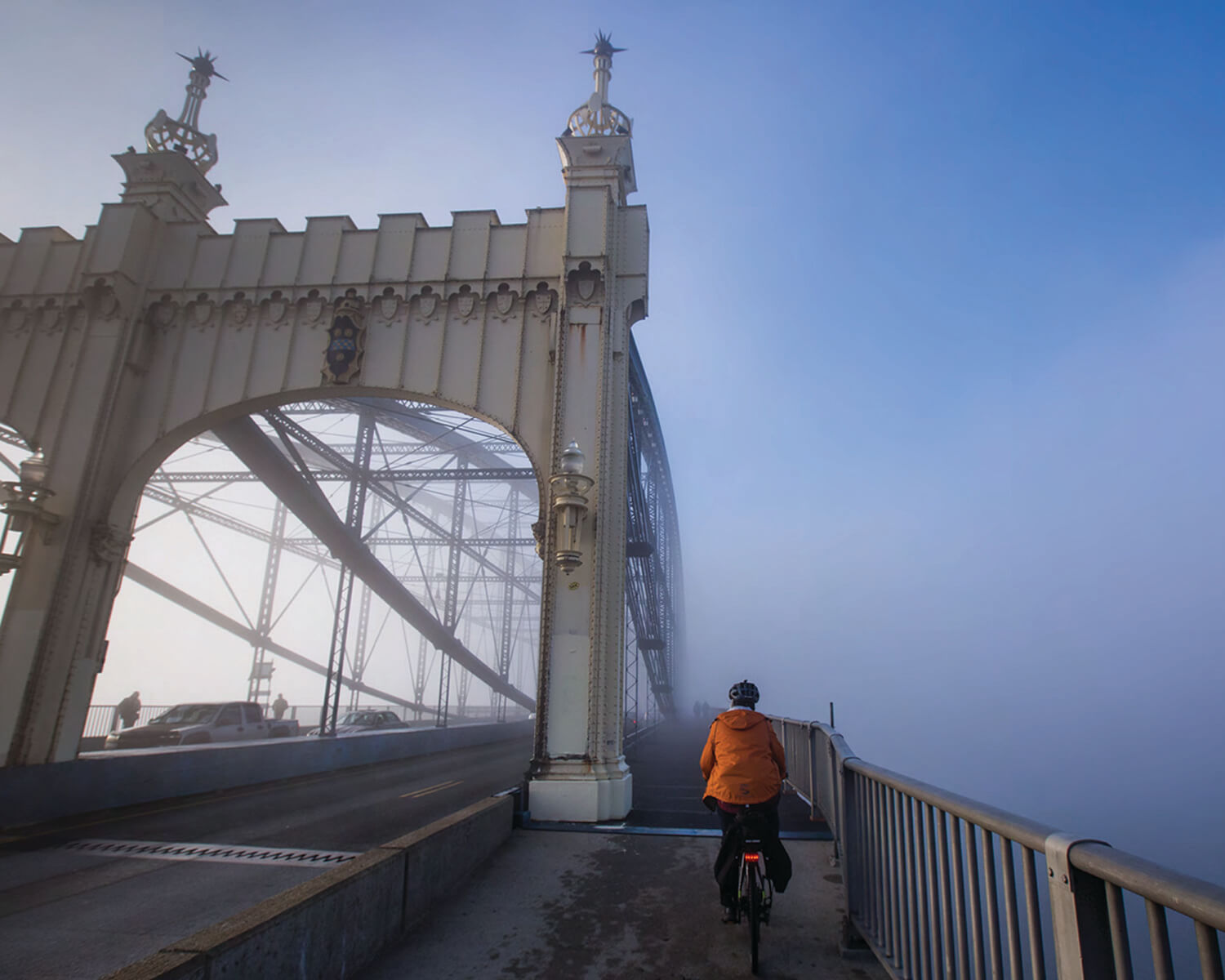
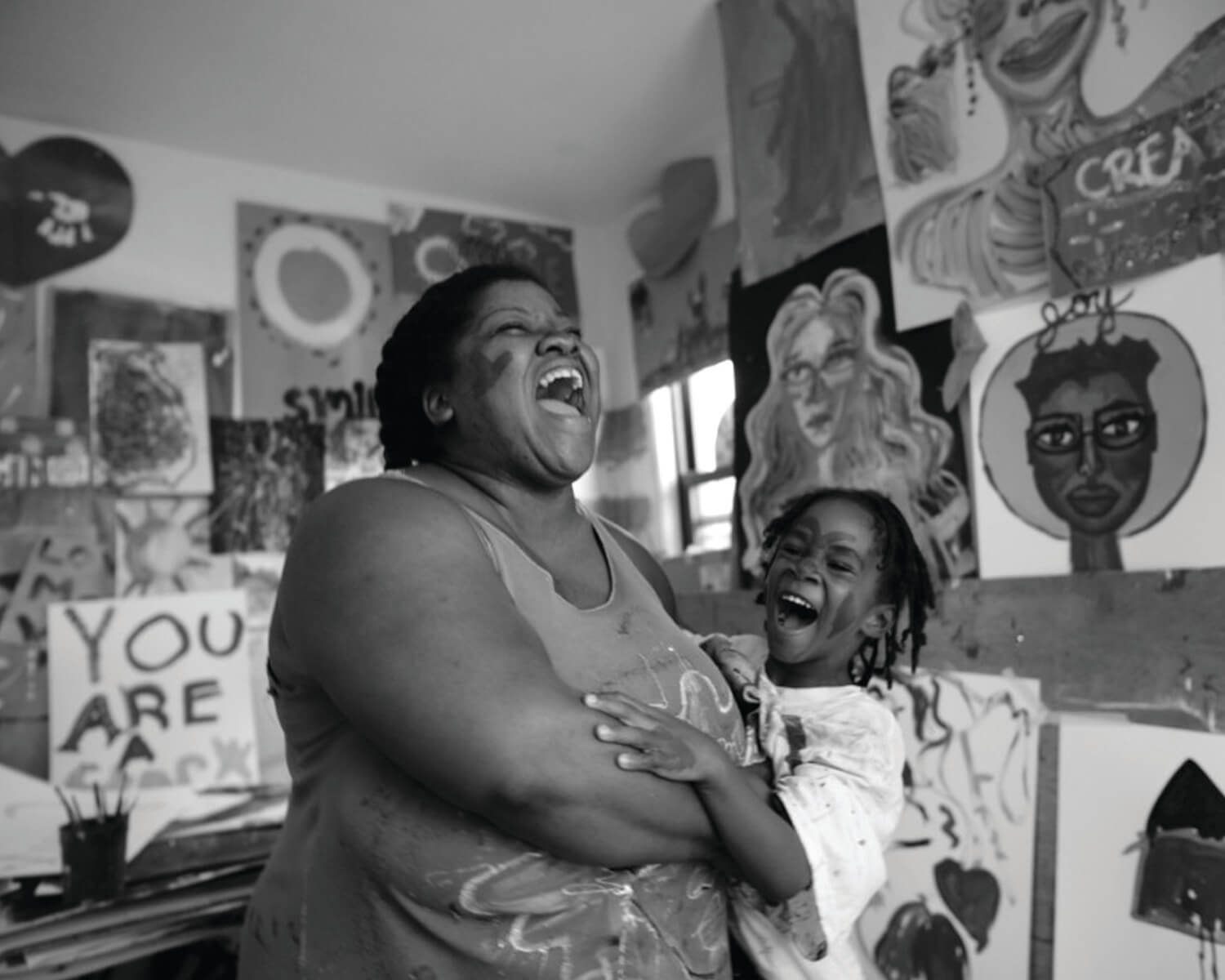
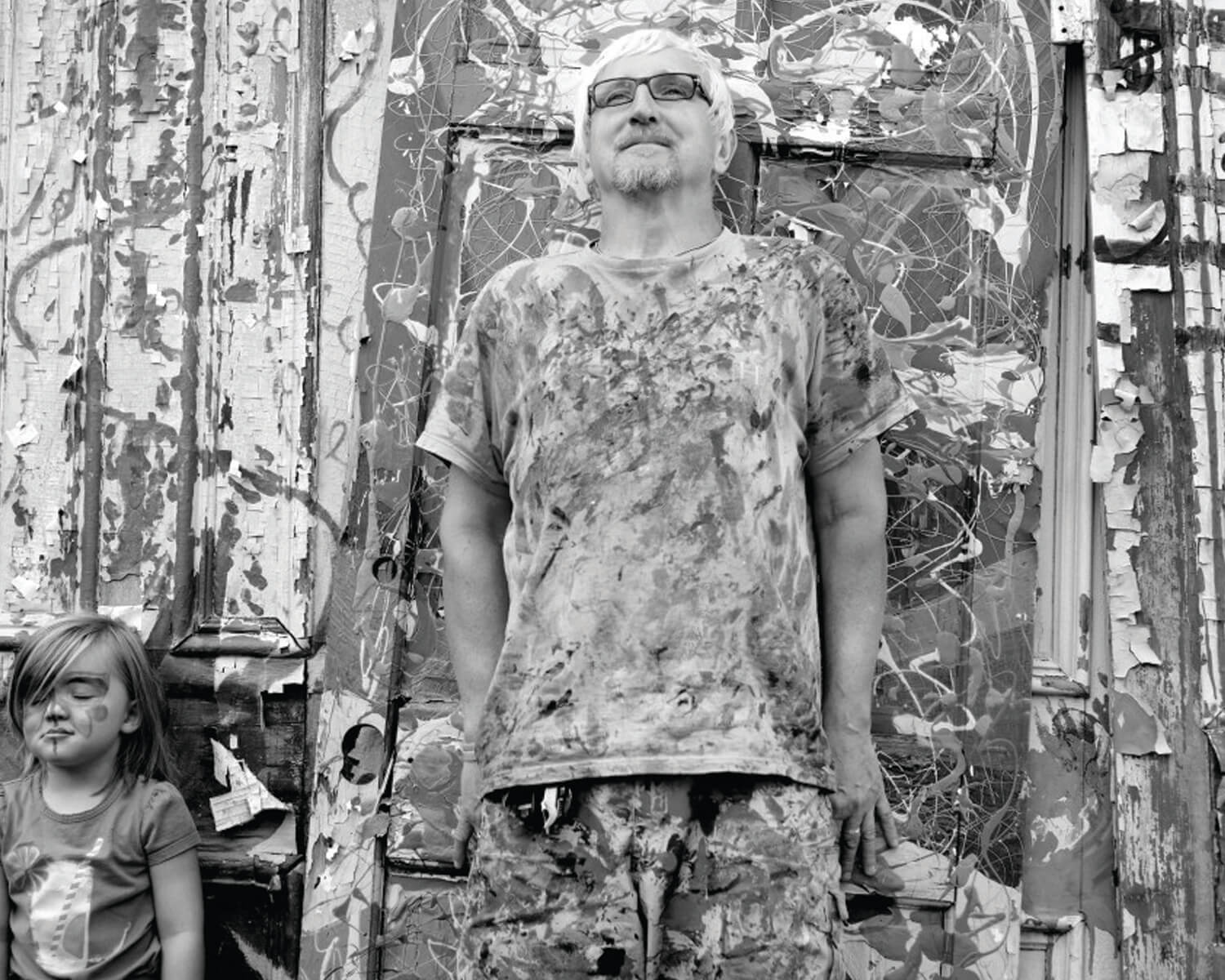
Each and Every explores the power of six Pittsburgh-based organizations that are each and every day making our corner of the world a better place to live in.
The essence of the exhibition is exploring the human need of our neighbors and celebrating the work of dedicated residents who are changing our community. The featured organizations, as well as so many others throughout the region, are doing the hard work that exemplifies transforming the concept of neighbor from a geographic term to a moral concept.
The exhibition includes an impressive selection of 30 photographs by distinguished photographers who each spent an entire day
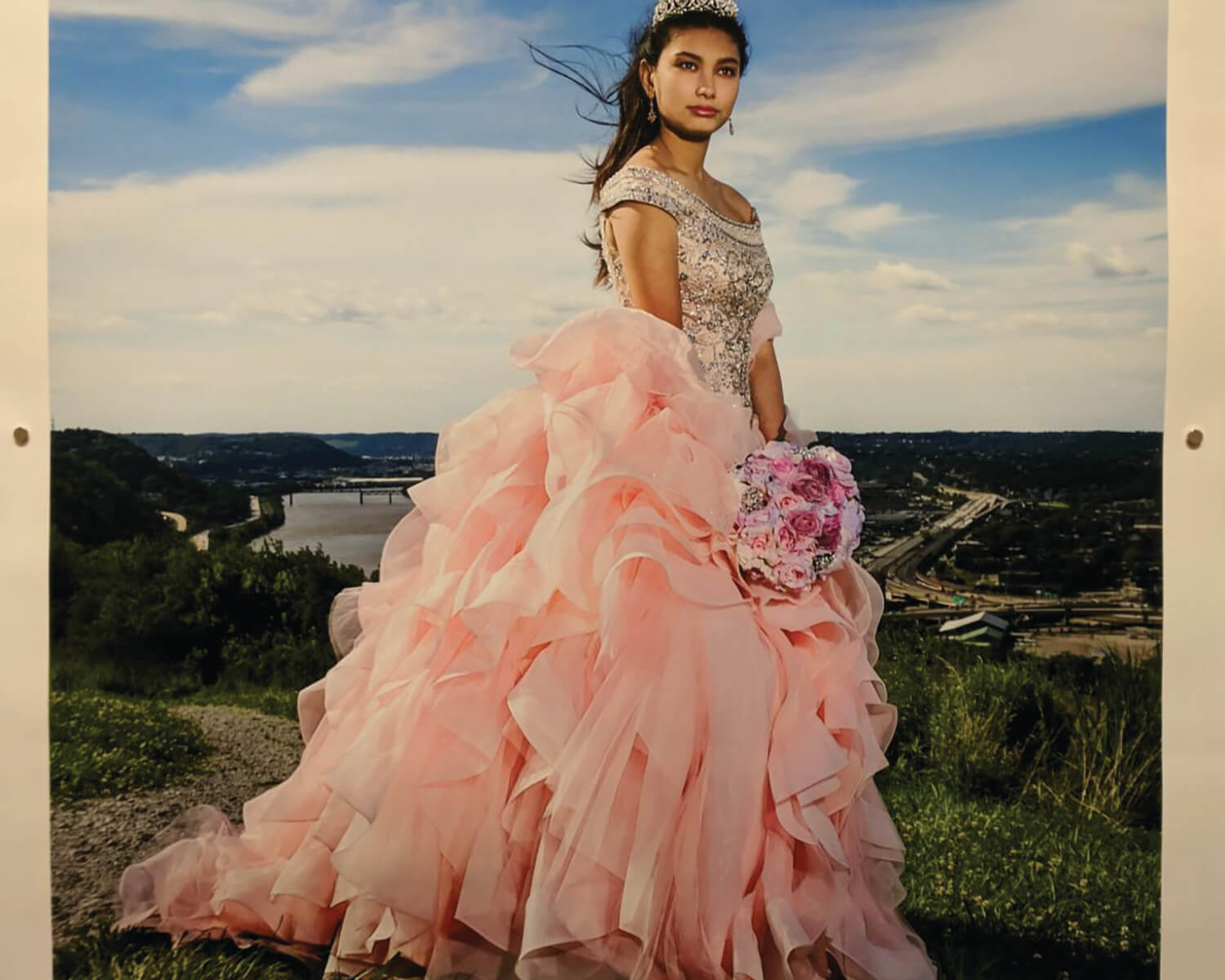
with 412 Food Rescue, BikePGH, Kelly Strayhorn Theater, Fund My Future, Pittsburgh Glass Center and Velocity. The photographers in the exhibition include Nancy Andrews, Rebecca Kiger and Annie O’Neill.


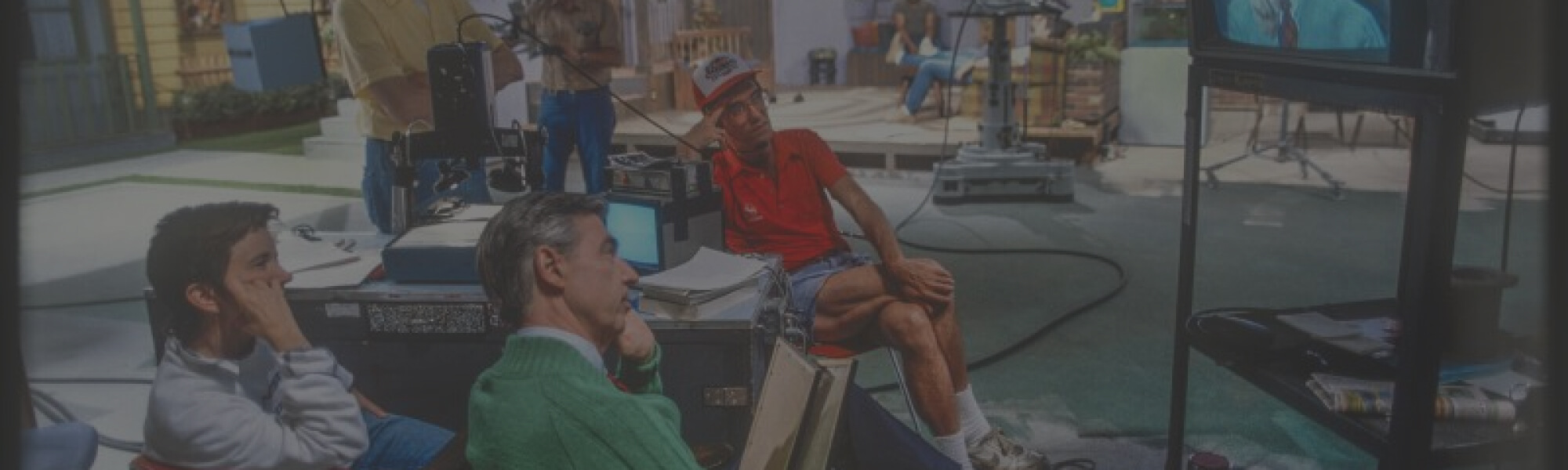
THE LOVING KINDNESS OF FRED ROGERS
The Loving Kindness of Fred Rogers: Photos by Jim Judkis
May 8-July 30, 2019
A 96-page hard-bound publication with 65 illustrations and numerous contributions will be available for sale at the artist’s reception and on Amazon.
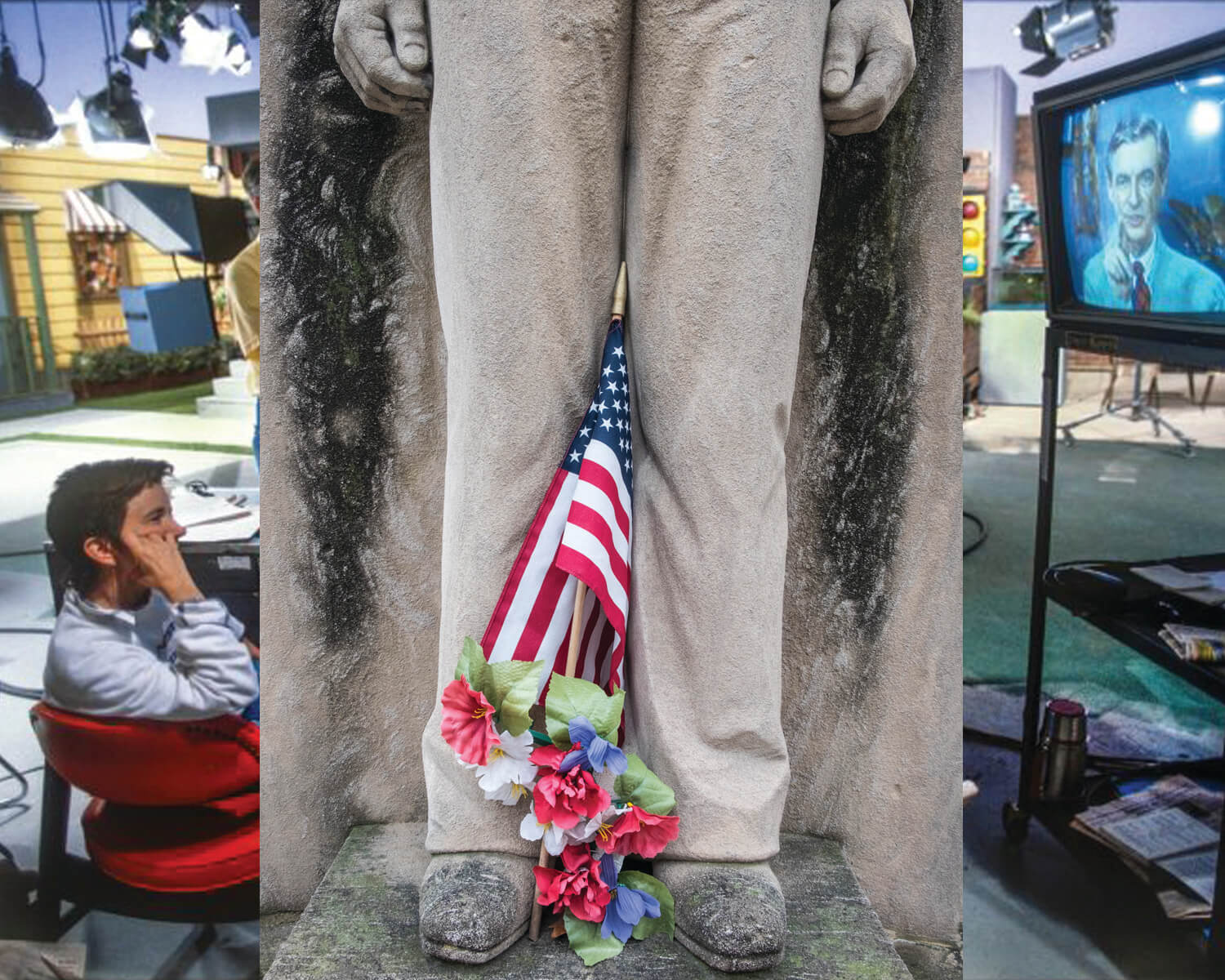
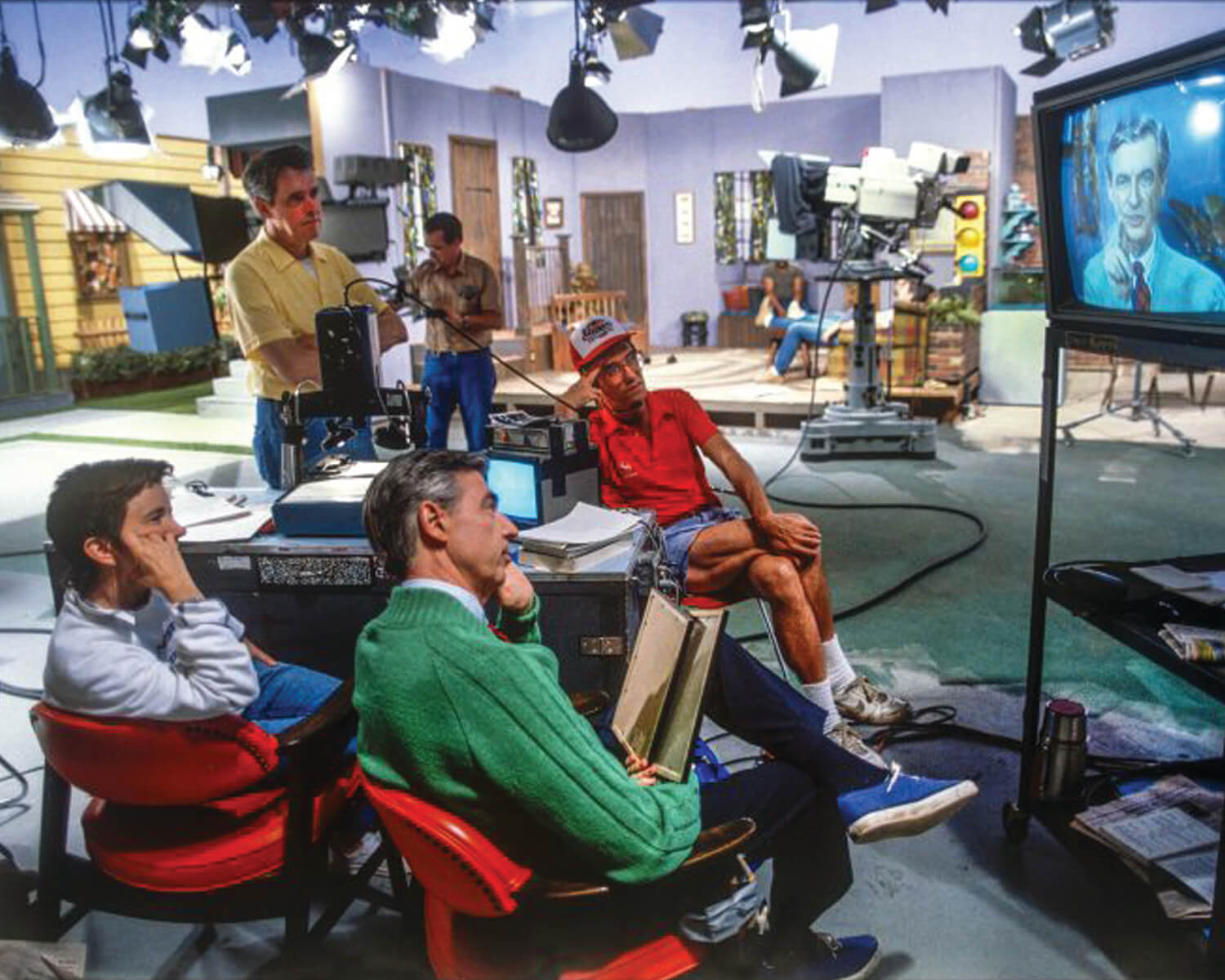
The Loving Kindness of Fred Rogers: Photos by Jim Judkis includes a powerful selection of 60 photos that capture Rogers in tender, candid moments and reveal the Mister Rogers’ Neighborhood show behind the scenes.

Judkis’s photographs, most of which have never been on display, include images that portray the show behind the set, shot in 1985 for Sunday Magazine and Pittsburgh Magazine. These photos, a combination of black and white and color images, reveal the creative and technical processes of how the show was made and highlight the straightforwardness of the show’s set design and production. They show the serious business of putting together a television show, but they likewise reveal the revelry, energy and camaraderie of the cast and crew. Another set of photos, made in 1978 for People Magazine, portrays Rogers interacting warmly—in his element—with a group of young children at Carnegie Mellon University’s daycare program and at The Children’s Institute of Pittsburgh.
An acclaimed photographer, Judkis captures Rogers in an organic, authentic and candid way. Judkis, who established a long-term relationship with Rogers and Fred Rogers Company, also created the images for the First Experiences book series.
The photos in the exhibition illustrate Rogers’s ease and capacity to express genuine care and embrace children for who they are. They show the simple, non-glossy structure of the television program, drawing attention to his preference for unhurried directness, authenticity and home-spun simplicity. Judkis’s photographs are especially poignant because they capture Rogers’s true nature and draw us into his world, reminding us to be kinder to our neighbors and to ourselves.
The Loving Kindness of Fred Rogers: Photos by Jim Judkis is made possible in part by The Benter Foundation and the Tracy and Evan Segal Family Foundation. The American Jewish Museum is supported in part by the Allegheny Regional Asset Board, Anna L. Caplan & Irene V. Caplan Fund of the Jewish Federation of Greater Pittsburgh, Robert C. and Gene B. Dickman Fund, Ira and Nanette Gordon Curator Enrichment Fund, Edward N. and Jane Haskell Endowment Creative Projects Fund, Nancy Bernstein and Robert Schoen Fund, Pennsylvania Partners in the Arts, and individual support.

AMERICAN PATRIOT
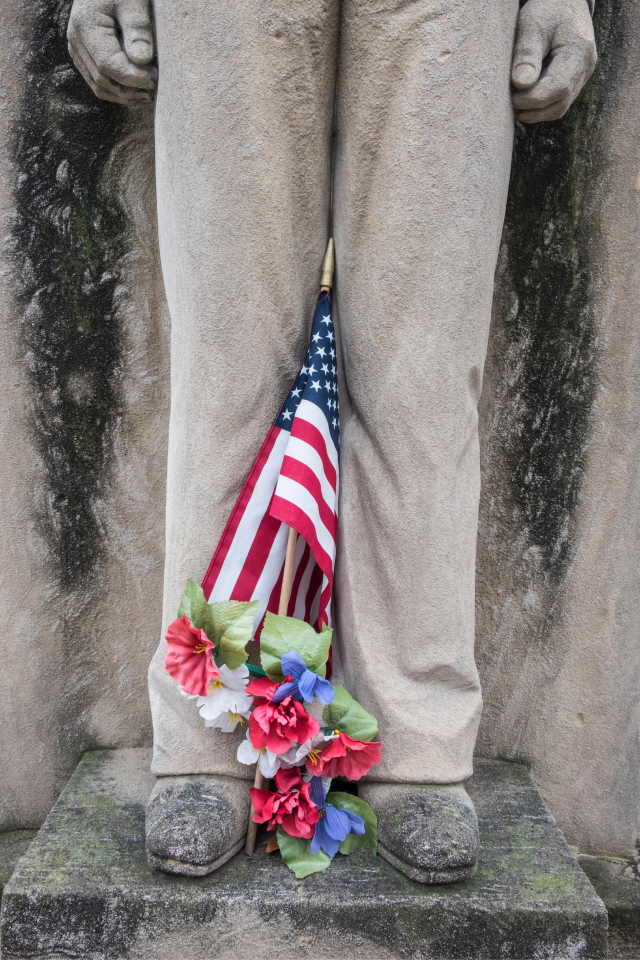
American Patriot: Photographs by Charlee Brodsky, Poetry by Jim Daniels
October―December, 2018
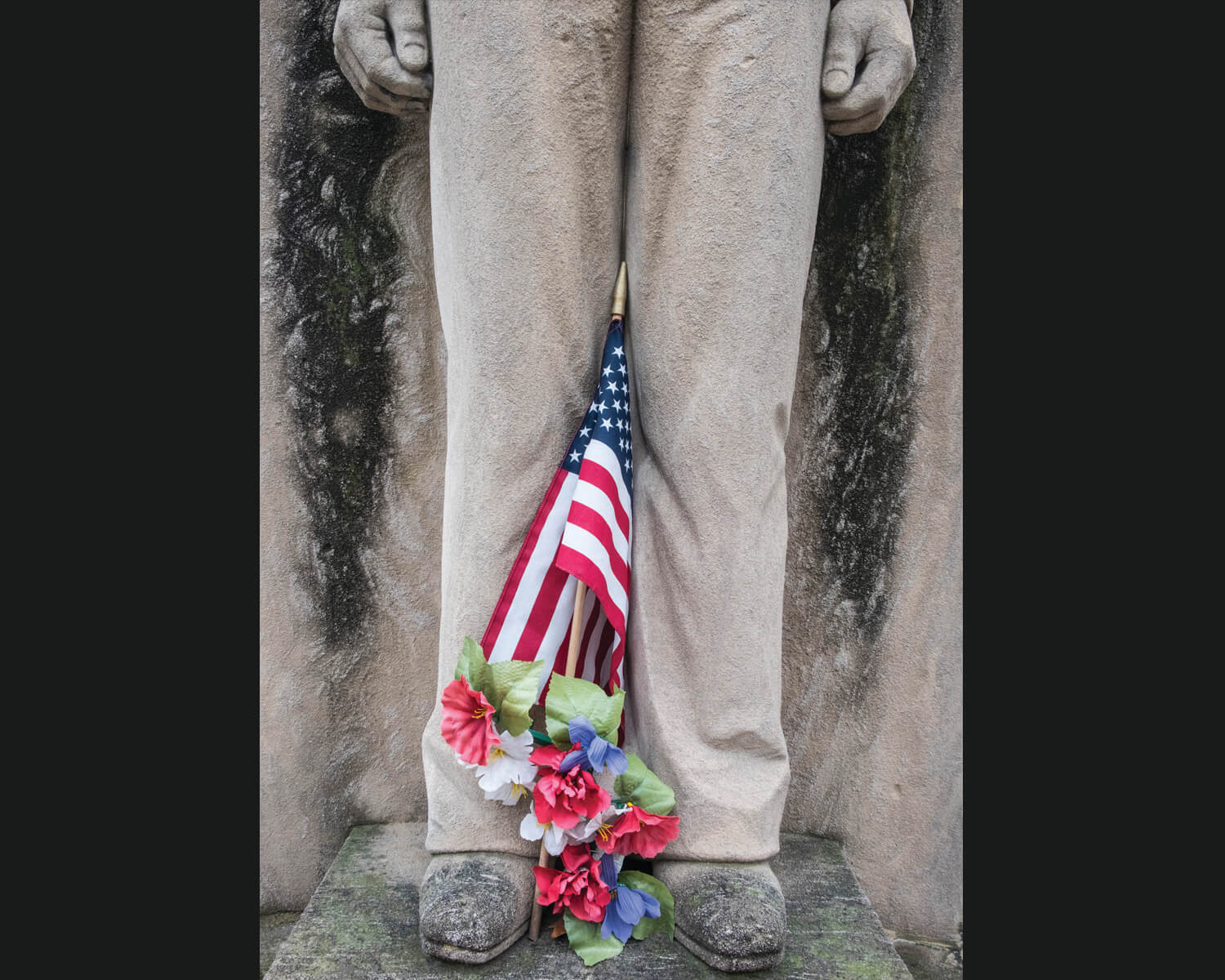
American Patriot includes photographs by Brodsky of American flags that she finds in residential neighborhoods throughout southwestern PA, northern WV and eastern Ohio. Daniels’ poems are rousing interpretations of Brodsky’s photos. Through the symbolism of the American flag, their collaboration wrestles with the complexities of life in 21st century America, the meaning of the American flag, and the very nature of patriotism and American values.
Charlee Brodsky is a fine art documentary photographer and a professor of photography at Carnegie Mellon University.
Visit charleebrodsky.com and thespotpress.com to learn more.
Jim Daniels’ seventeenth book of poems, The Middle Ages, was recently released by Red Mountain Press. A native of Detroit, Daniels is the Thomas Stockham University Professor of English at Carnegie Mellon University
PAINTINGS OF THE COSMOS
Paintings of the Cosmos by Jerry Segal: I Am But Dust and Ashes, For My Sake the World Was Created
October―December, 2018
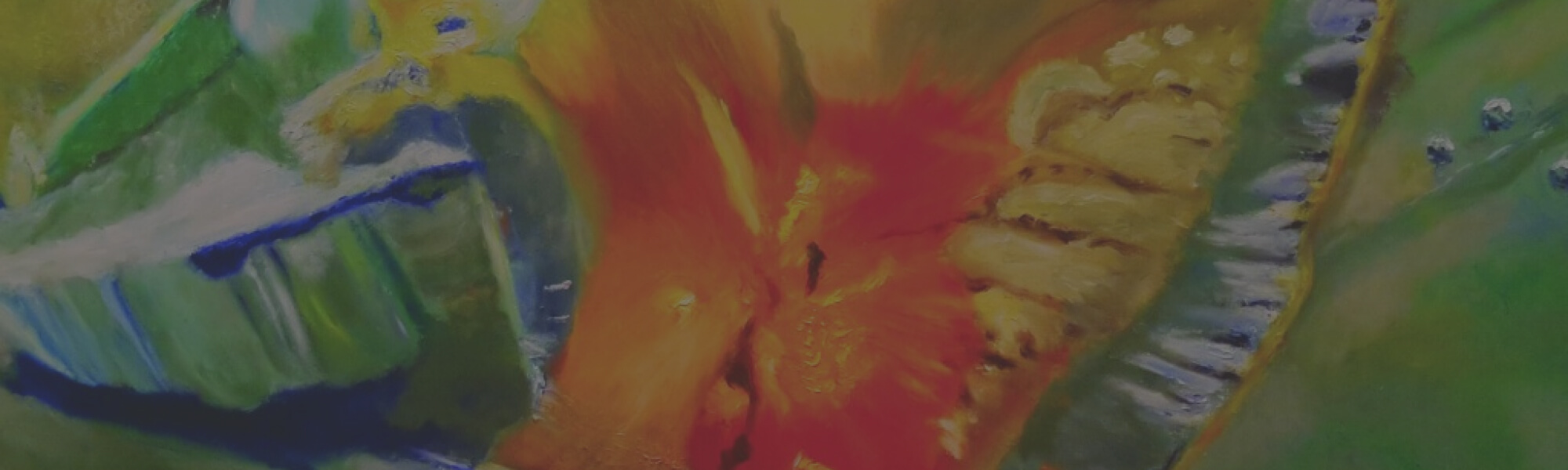
In awe of the vastness of the universe, Jerry Segal paints compositions of spiraling, billowing gaseous star formations known as nebula. His compositions are derived from NASA’s Hubble Space Telescope and evoke prismatic landscapes, trippy other-worlds or wildly chromatic abstract compositions.
Introduced by NASA in April 1990, the Hubble Space Telescope is a scientific instrument that documents critical data enabling astronomers to measure the age of the universe, identify quasars, discover gamma-ray bursts, locate dark matter and see galaxies in different stages of formation.
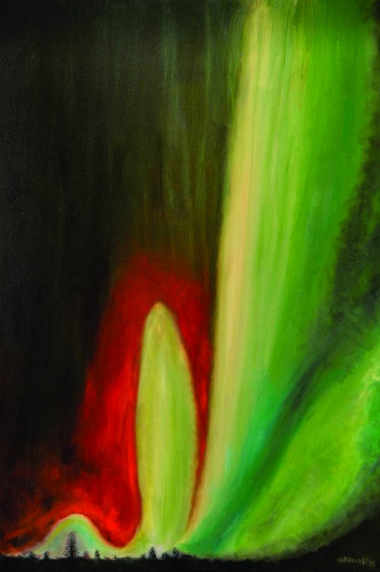
While the interstellar cosmos that Segal depicts represent a part of this universe that is real, it is wholly out of reach to the naked eye and will only ever be visually accessible to us through Hubble’s photographs. Powerfully, the instrument records star formations that are billions of light years away and therefore no longer even exist.
The unfathomable unknowability of the universe that intrigues Segal has likewise puzzled philosophers, scientists, artists and laymen for as long as humans have existed. Astronomers studying Hubble photos recently confirmed that there are more than 200 galaxies and that some are as old as 13.2 billion years. Twenty-first century technology might provide us with valuable information merely hinted at centuries ago, yet Hubble’s images create more questions than provide answers.
For Segal, an essential question considers our human role in the scheme of the universe. While he aims for viewers to lose themselves in his compositions of hazy cosmic vapors, he also hopes to spur self-reflection about our human responsibilities to our physical environment and earth’s sustainability. Our planet’s resources are being depleted, and Segal’s images implore us to contemplate how we walk through the Earth and what values we prioritize.
Although the Holocene Epoch is the name of the current period of geologic time, many scientists propose that we call the epoch Anthropocene because human activity is modifying the planet on a geologic scale through radioactivity, deforestation, oil drilling, agriculture, fossil fuel consumption and the movement of people. From a
geologic perspective this means our behaviors and patterns over the past 50 years have accelerated change to the Earth’s systems that will mark the geologic record for millennia.
It is difficult to square the knowledge of our swift and substantial impact on the physical planet with Stephen Hawking’s assertion that the human species is mere chemical matter and is utterly insignificant. Segal wonders how, then, do we operate in this dual paradigm where humans are simultaneously inessential but also influential, and how do we grasp our moral obligations to each other and to the physical world that we inhabit for such an inconsequential period of time yet have such a great impact on?
Lending some clarity, a 17th century Jewish teaching with inherent tension states, “I am but dust and ashes, for my sake the world was created.” An expression of humility that acknowledges our impermanence, the first part expresses the idea, akin to Hawking’s, that humans are formed from dust of the earth and return as dust to the earth when our lives end. The second phrase affirms our individual uniqueness and validates that each of us holds meaning and greatness in the world.
Ensuring that we’re always reminded that the contradictory phrases reflect human conditions that actually work in concert, the teaching instructs us to write each phrase on separate pieces of paper and to keep them into our pockets. When we’re experiencing despair or over-confidence, we’re to pull out from our pocket the expression that will help ground us and keep our attitude in check. In brass-tacks terms, the expression confirms that our time is limited. We can walk through life with arrogance and do much to wreak destruction or with awareness that we shoulder great responsibility.
Certainly, as humans we do both. The imperative, which Segal’s inquiries conjure, is that we recognize the interconnections of our actions and that we take personal responsibility to cultivate solutions around protecting the resources that make up the foundation of our ability to thrive.
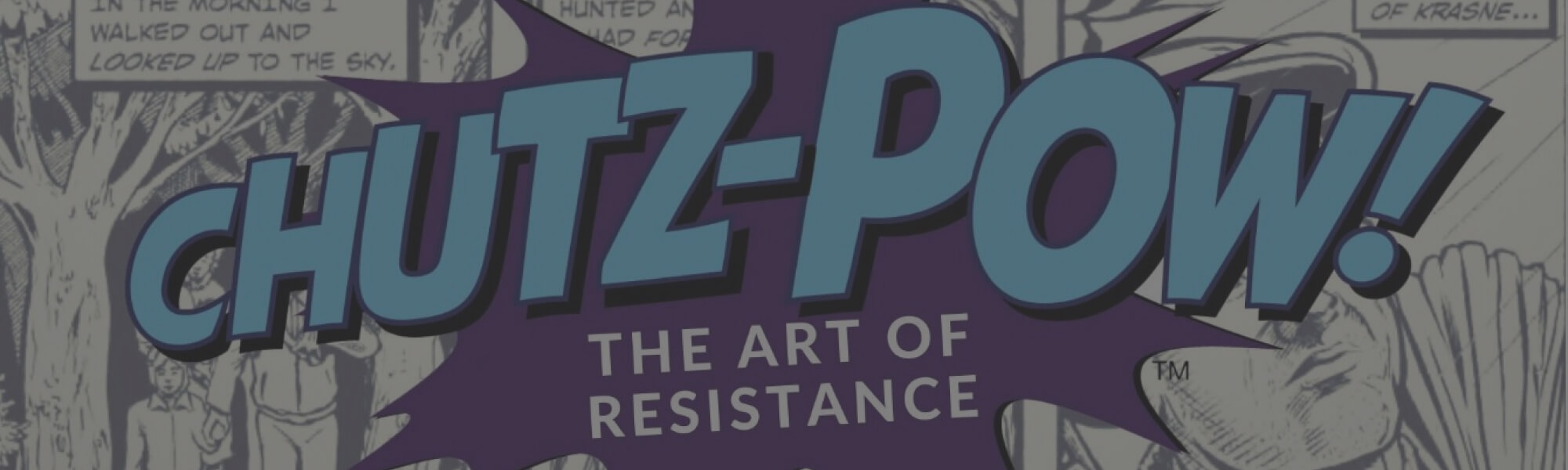
CHUTZ-POW! VOLUME THREE, YOUNG SURVIVORS
Chutz-Pow! Volume Three, Young Survivors
Through April 20, 2018
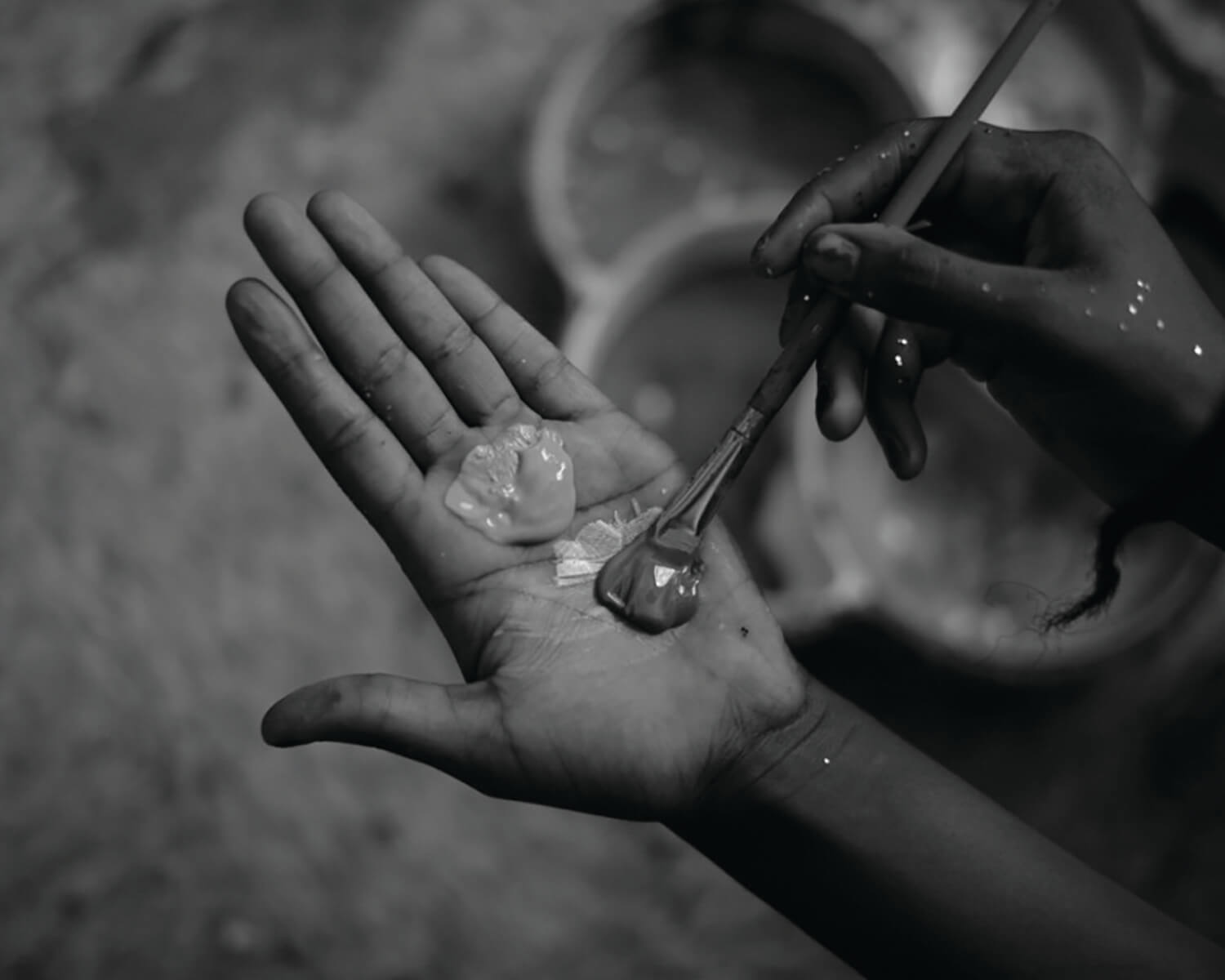
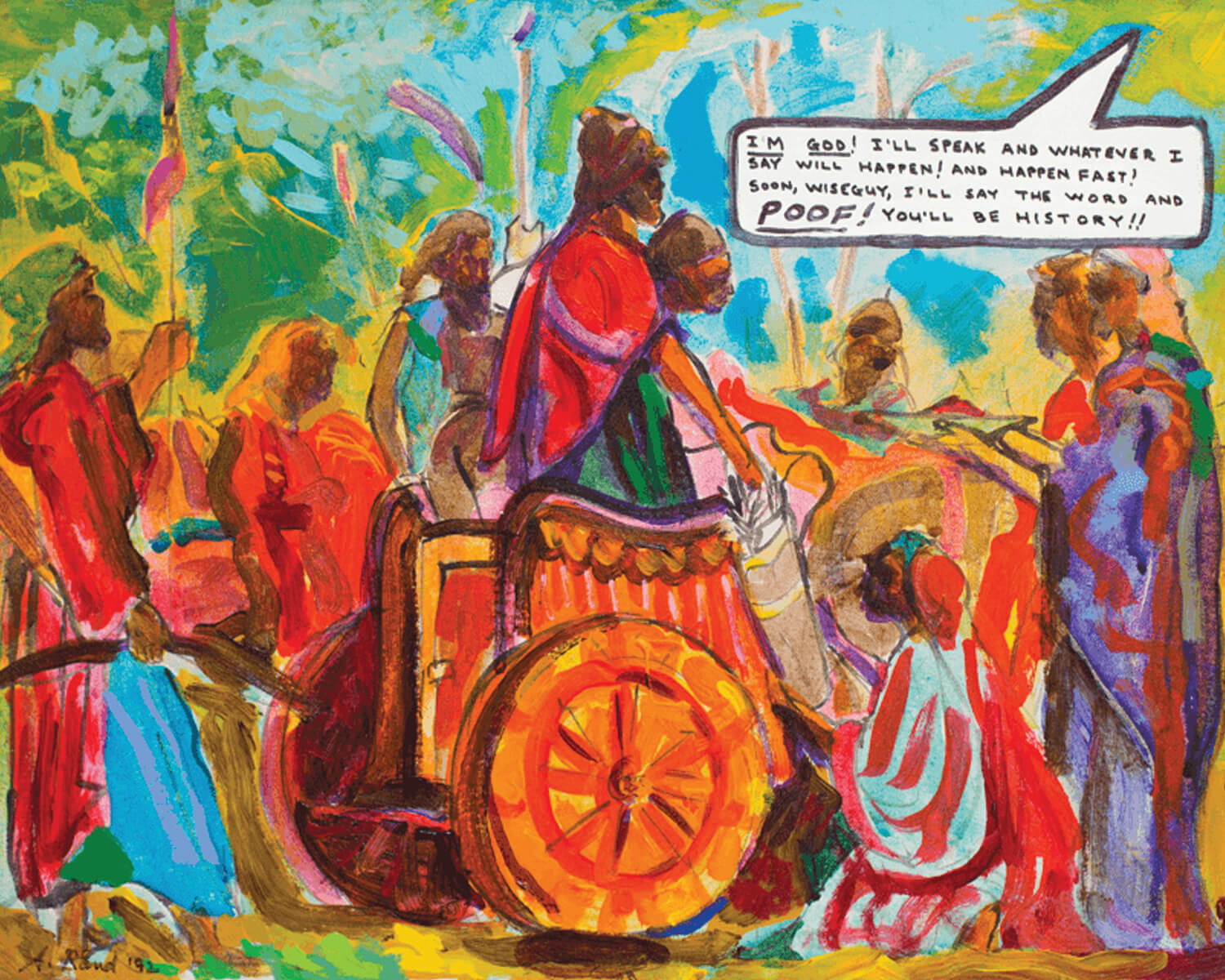
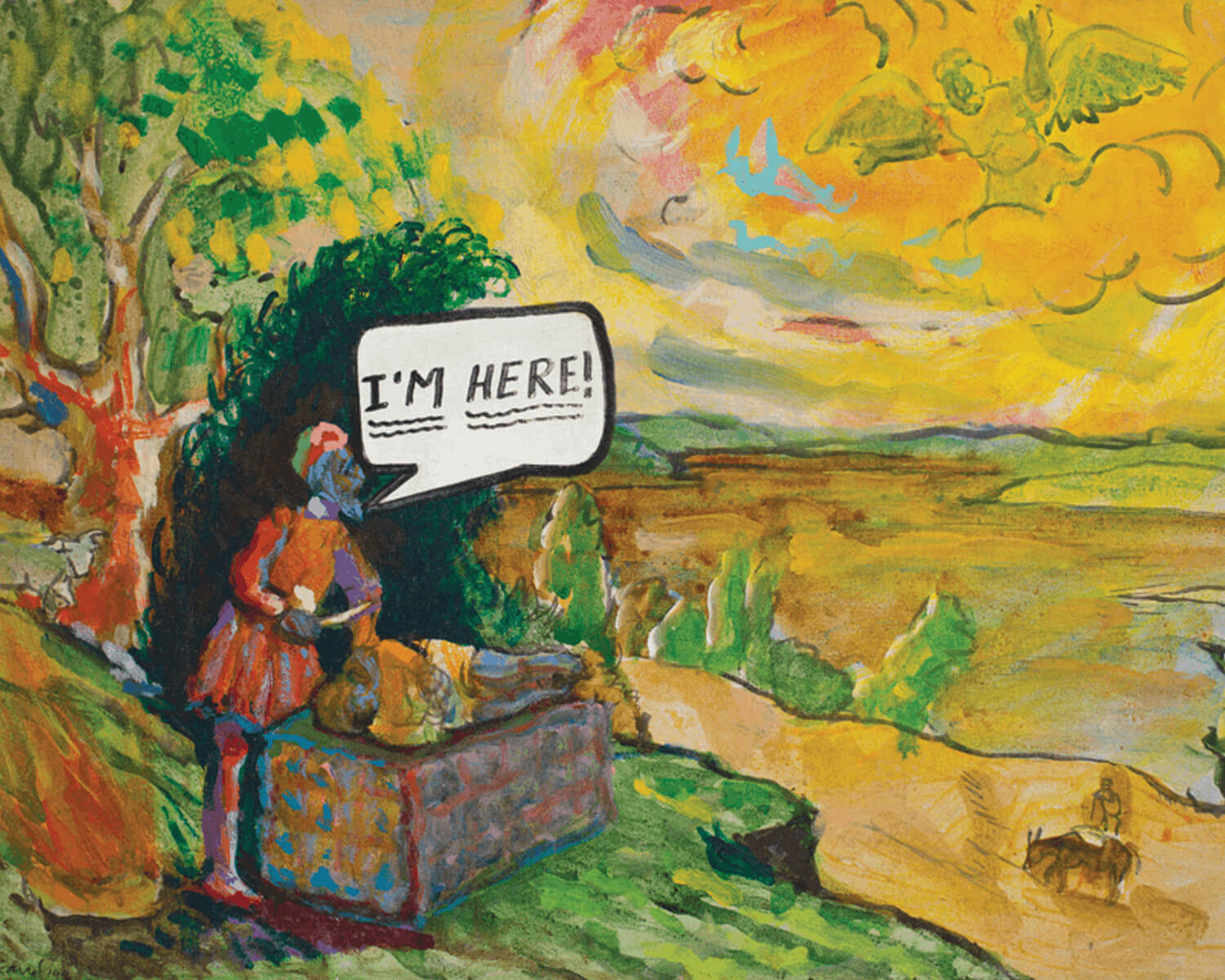
CHUTZ-POW! Superheroes of the Holocaust is a comic book series created by the Holocaust Center of Pittsburgh that honors Holocaust survivors, resistance fighters and liberators by placing stories of sacrifice, courage, and resilience at the forefront of Holocaust awareness. The exhibition, co-presented by the American Jewish Museumand the Holocaust Center, includes the 36 original storyboard illustrations used to make the recently published CHUTZ-POW! Volume Three, Young Survivors.
The focus in Volume Three turns to the ordeals of young survivors, where viewers discover the wide-ranging experiences that youth endured during the Holocaust. Despite their travails—as hidden children, visible-hidden children, ghetto and camp survivors, and refugees—these vulnerable victims emerged from incredible hardships to represent a strength of spirit that refused to be oppressed.
These are the childhood experiences of Walter Boninger, Inge (Berg) Katzenstein, Solange Lebovitz, Judah Samat, Irene Skolnick and Sam Weinreb, all of whom settled in the Pittsburgh area. Notably, their stories were chronicled by some of Pittsburgh’s most acclaimed comics writers and illustrators, including Xeric Award winner Wayne Wise, writer/artist M.L.Walker, Lambda Literary Award winner Mark Zingarelli, writer Yona Harvey, writer Deesha Philyaw, Xeric Award winner Rachel Masilamani, Reuben Award winner Vince Dorse, and veteran comics artists Howard Bender and Loran Skinkis.
While the narratives and images are exceptional, what makes CHUTZ-POW stand out is the time that the writers spent with survivors to learn their stories and to get to know them to make sure their experiences are interpreted with honesty, integrity and understanding.

OUT OF MANY: STORIES OF MIGRATION
Out of Many: Stories of Migration
Through December 30, 2017
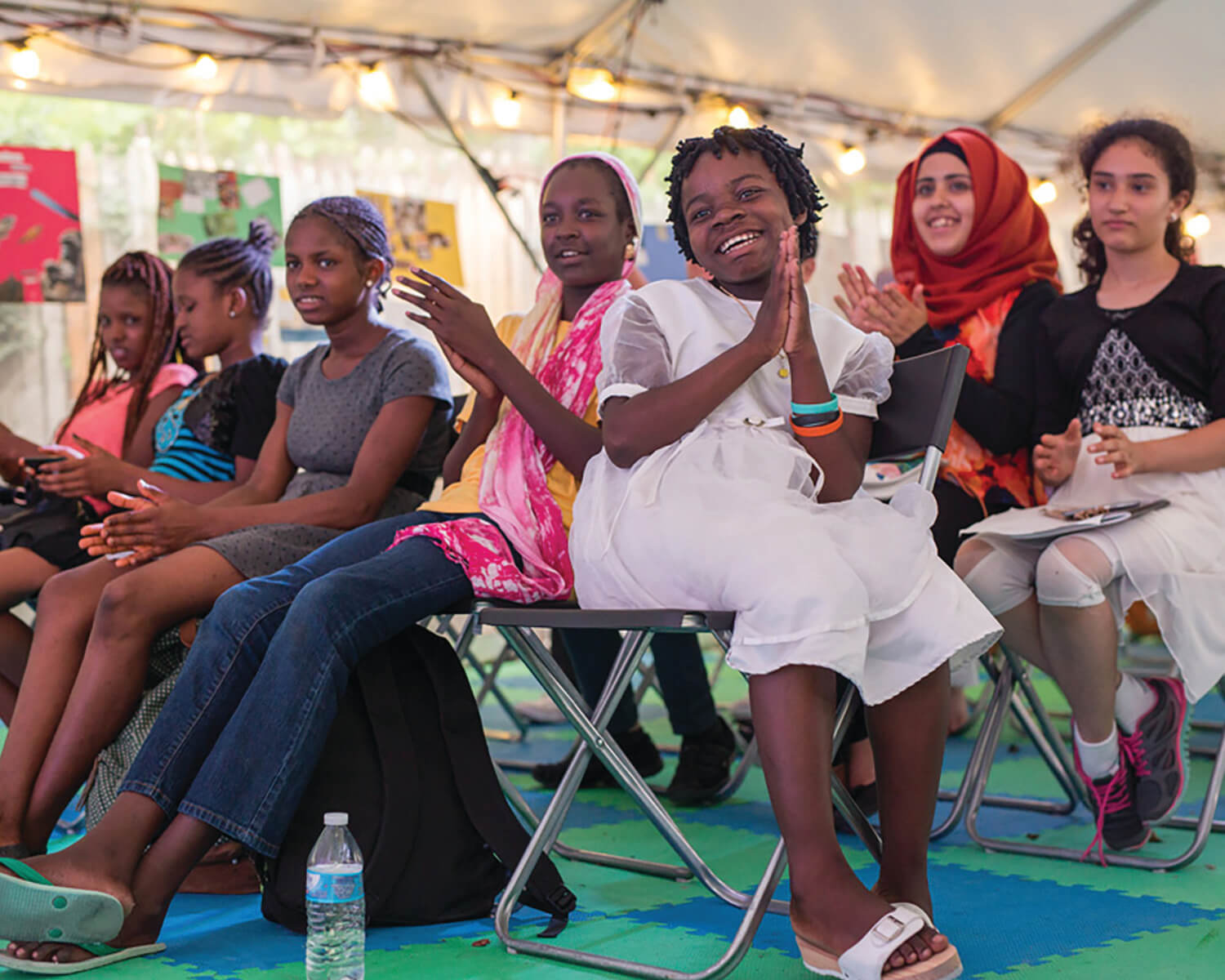
Out of Many: Stories of Migration, is comprised of photographs that document the experiences of multiple generations of immigrants and their descendants in Pittsburgh. The photographs accentuate the key role that immigration has played in this corner of the world, including shaping our neighborhoods, the formation of our identity, in sustaining our economy, and in the enrichment of our cultural diversity. Comprised entirely of new work by Brian Cohen, Scott Goldsmith, Nate Guidry, Lynn Johnson, and Annie O’Neill, Out of Many considers Pittsburgh’s stories as a lens through which to consider the broader American immigrant experience.
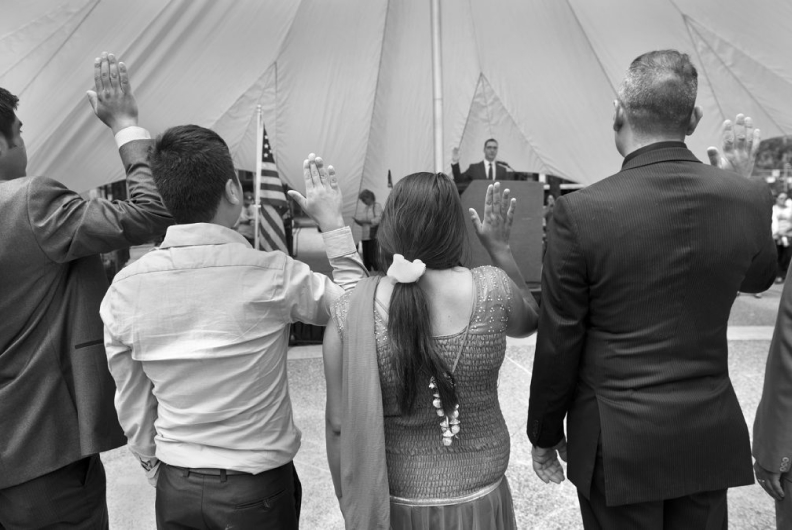
Out Of Many: Stories of Migration is a Documentary Works project organized by Brian Cohen and Laura Domencic and produced by a collaboration of professional photographers based in Pittsburgh.
Community partners include City of Asylum, Jewish Family and Children’s Services, Repair the World, Union Project and the Westmoreland Museum of Art.
Learn More About the Museum
American Jewish Museum Partners

Please visit the web sites of the organizations that generously support the American Jewish Museum and its exhibitions.
Light Your Spark is supported by The Hyman Family Foundation.
Major funding for the American Jewish Museum provided by the Allegheny Regional Asset Board, the Anna L. Caplan & Irene V. Caplan Fund of the Jewish Federation of Greater Pittsburgh, the Robert C. and Gene B. Dickman Fund, Ira and Nanette Gordon Curator Enrichment Fund, Edward N. and Jane Haskell Endowment Creative Projects Fund, the Nancy Bernstein and Robert Schoen Fund, the Speyer Family Foundation Endowment Fund, Pennsylvania Partners in the Arts, and individual support.
We maximize accessibility of services for people of all abilities. For more information, contact Melissa Hiller
Related Posts
Cheesecake – The Taste of Shavuot
Holidays, especially Jewish Holidays, are not the best…
read more
- Adults & Seniors, Arts & Events, Jewish Celebrations, Jewish Life
Fun Facts about the Jewish High Holidays
It’s a special time of year, a time…
read more
- Adults, Arts & Events, Center for Loving Kindness, Children, Happenings, Jewish Life, Teens
JCC State of Mind – July 12, 2024
While so many of our staff are hard…
read more
- Arts & Events, Camps, Community Spotlight, JCC State of Mind